
Insights
Articles written and clinically reviewed by our team on treatment approaches, the evidence behind them, and recovery.

Why Treatment and Recovery Take Longer Than 28 Days
A month of residential treatment can provide a strong foundation for recovery, but lasting change often requires longer periods of structured support…

Burnout and Addictive Behaviours in Executives: When Coping Becomes the Problem
How and why addictive behaviours develop among burned-out executives, the warning signs, and steps toward recovery and taking back control.

What Is Neurorehabilitation in Addiction Treatment?
Addiction can affect cognitive functions such as attention, impulse control, decision-making and emotional regulation. Neurorehabilitation aims to…
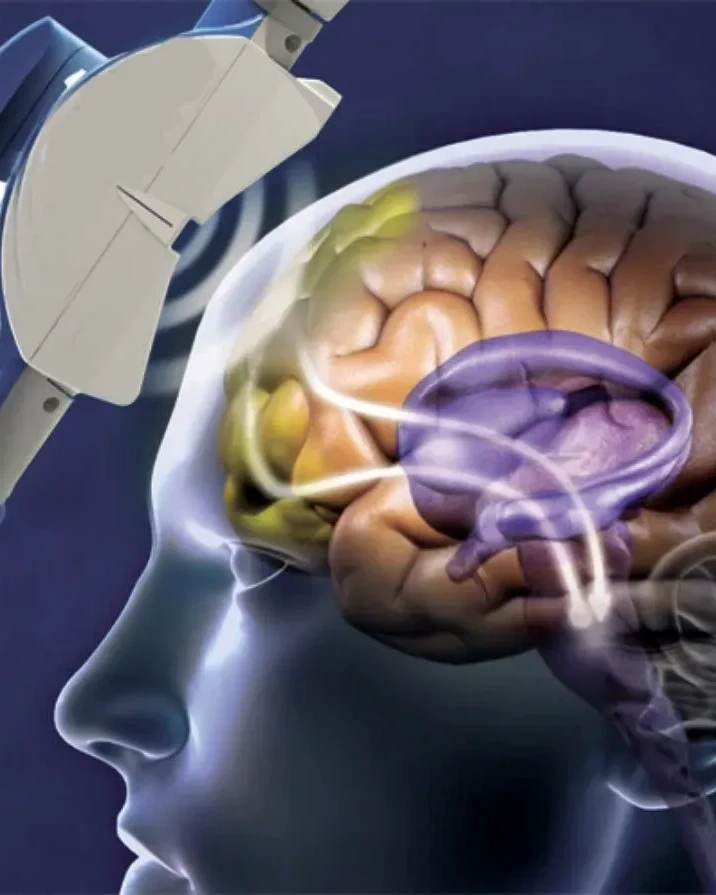
Transcranial Magnetic Stimulation in Addiction Treatment
A consultant addiction psychiatrist’s perspective on integrating non-invasive brain stimulation into residential and outpatient rehabilitation: where…

Cognitive Functioning in Addiction and Recovery
Addiction impacts attention, memory, planning, and problem-solving — the very processes that underpin how we make decisions and regulate behaviour.