


Understanding the condition
What is alcohol dependence?
Alcohol dependence is a recognised health condition in which drinking becomes difficult to control, despite the harm it may be causing. Clinicians also call it alcohol use disorder, and many people know it as alcoholism. It usually develops gradually. It is not a sign of weak character or lack of willpower.
Regular heavy drinking affects the brain systems involved in reward, stress and self-control. Over time, alcohol can shift from something chosen to something relied upon: to unwind, to sleep, to manage pressure, or simply to feel steady. Tolerance builds, and cutting down can bring physical and emotional discomfort.
In Singapore’s national mental health study, about 4.6% of adults had met the criteria for an alcohol use disorder at some point in their lives. The researchers found it often came with other mental and physical health problems, and that most people affected had not received treatment.
In professional and social life across Asia, where drinking is often part of business and celebration, these changes can be easy to overlook and hard to talk about. Many people we speak with are still performing well at work. Dependence can sit alongside outward success, which is one reason people often wait before seeking help.
Recognising the signs
Signs of alcohol dependence
Recognising some of these signs in yourself or a loved one is not proof of an addiction.
A confidential conversation with a clinician can help you understand what you are experiencing, and what support, if any, would help.
- Drinking more, or for longer, than you intended, and finding it hard to cut down or say no
- Needing more alcohol to feel the same effect
- Feeling shaky, anxious, sweaty or unable to sleep without alcohol, or drinking to ease these feelings
- Drinking in the morning, or earlier in the day, to steady yourself
- Strong urges to drink, or much of your time taken up by drinking and recovering from it
- Setting rules about drinking, such as weekends only, and repeatedly breaking them
- Gaps in your memory after drinking
- Continuing to drink despite its effect on your health, mood, relationships or work
- Giving up activities or commitments that once mattered to you
- Hiding or downplaying how much you drink, or feeling defensive when others raise it
Drinking every evening, or through the day, while still meeting the demands of work and family. Because life seems to be going well, the problem can go unnoticed for years.
Days or weeks without drinking, then heavy episodes that are hard to stop once started. Singapore’s Health Promotion Board defines binge drinking as five or more standard drinks on one occasion for men, and four or more for women.
Client entertaining, travel and long hours, where drinking is expected and stepping back can feel impossible.
Drinking to manage stress, anxiety, low mood, trauma or poor sleep, which often makes each of them worse over time.
Alcohol alongside sleeping tablets or sedatives, cannabis, stimulants or gambling. Combining alcohol with sedatives carries particular medical risks. Treatment addresses everything together.
Returning to drinking after months or years is common, and it is not a failure. It is a sign that the plan needs reviewing, and coming back to structured care early can help you regain your footing.
Clinical Team
Individualised careby experienced hands
We are honoured to walk alongside families and individuals as they navigate recovery and rebuild meaningful, connected lives.

Safety first
Alcohol withdrawaland medical detox
Stopping alcohol suddenly after a period of heavy, regular drinking can be medically serious. Withdrawal may bring tremor, sweating, nausea, anxiety and disturbed sleep, and in some cases seizures or confusion. Don’t stop abruptly without medical advice.
Symptoms usually begin 6 to 24 hours after the last drink and are often worst over the following two to three days. In a small number of people, withdrawal leads to delirium tremens: severe confusion, agitation, fever and hallucinations, which needs urgent hospital care. The risk is higher after long periods of heavy drinking, after difficult withdrawals in the past, and when sedatives are also being used.
When detox is clinically needed, it takes place before the programme begins, either in a hospital setting or at The Winslow, depending on your assessment. Our medical team will advise on the safest option and help coordinate it. Stabilisation is available at an additional rate.
If you or someone with you is having a seizure, is confused or is seeing things that are not there, call 995 or your country’s emergency services hotline.
Treatment
Our approach to alcohol addiction treatment
Alcohol dependence rarely stands alone. It is often bound up with stress, sleep, mood, relationships and work, so our programme treats the whole person, not only the drinking.
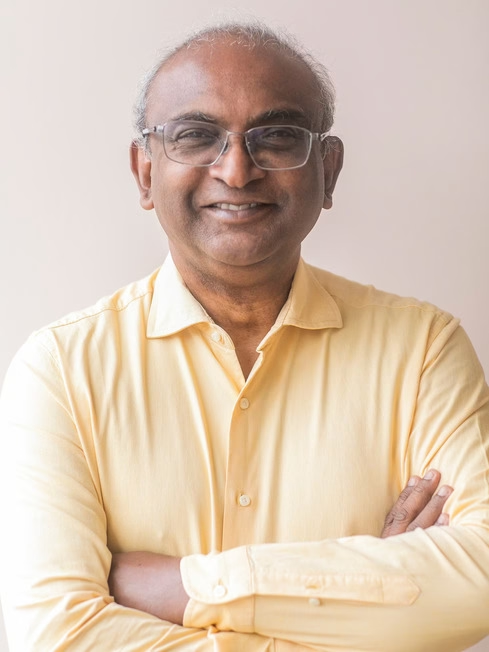
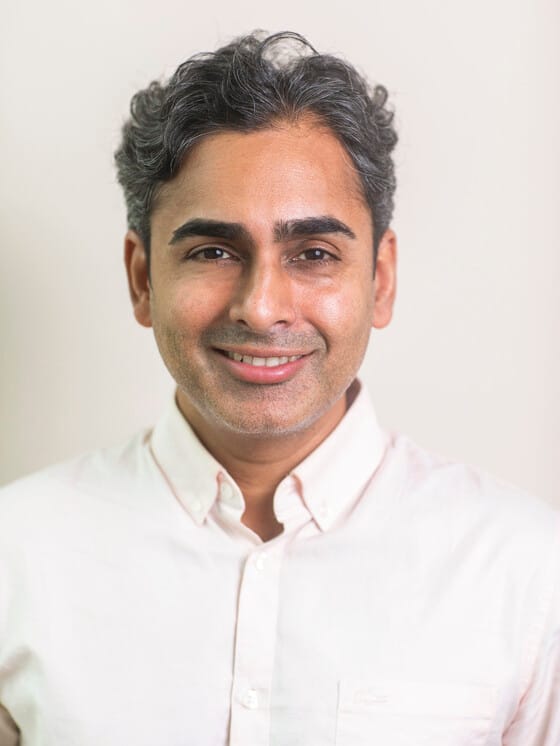
Medical care is led by Dr. Munidasa Winslow, who has more than 35 years of experience treating alcohol, drug and behavioural addictions and was the founding Chief of the Addiction Medicine Department at the Institute of Mental Health. Dr. Sharad Haridas, Consultant Addiction Psychiatrist, completed specialist training in addiction psychiatry in London and provided medical oversight for clients in residential detox and rehabilitation in the UK.
Treatment begins with a 28-day residential stay at our restored heritage residence in Changi, followed by a 12-week intensive outpatient programme. This 16-week programme supports you through the months after residential care, when you are putting new habits into practice in everyday life.
A detailed psychiatric assessment, a comprehensive blood panel, regular psychiatric review and 24-hour on-site nursing. Where it is right for you, your psychiatrist may prescribe medication to reduce cravings or support abstinence.
One-to-one counselling, daily process groups and skills workshops to understand your patterns, manage cravings and plan for high-risk situations. Therapy draws on approaches such as cognitive behavioural therapy, motivational interviewing and relapse prevention.
EEG neurofeedback, attention training, TMS (iTBS) and cognitive remediation, designed to strengthen attention, impulse control and self-regulation.
Mindfulness, personal training, sleep support and nutrition, rebuilding the routines that heavy drinking often disrupts. Sleep can stay unsettled for some weeks after stopping, so sleep support starts early.
Depression, anxiety, trauma or a second addiction are addressed together in one treatment plan. See co-occurring disorders.
Alcohol is part of business dinners, celebrations and travel. Before you leave, we help you plan for the situations you will face: what to say when you are offered a drink, how to handle client entertaining, and who to call when it is hard.
Before you leave, we coordinate with outpatient providers in Singapore or your home country, and connect you with peer recovery groups. The Winslow App supports you for a year after the programme.



For families
When someone you loveis drinking
Watching someone you care about struggle with alcohol can feel emotionally taxing and isolating. You may already have raised it and been met with denial or anger. That is common, and it is not a failure on your part.
Drinking affects the whole household: trust, money, safety and the children’s sense of what is normal. Looking after your own wellbeing matters, whether or not your loved one is ready for help.
We offer confidential guidance for families, including how to raise the subject of treatment with care. Our team understands both Asian and Western family dynamics, and the particular sensitivities of high-profile families. During treatment, families take part through weekly therapist-led family groups and individual family therapy, in person or securely online.
Suitability
Who we are for
Residential and intensive outpatient treatment for adults seeking structured and discreet evidence-based care.
Our centre accommodates up to 26 residential clients at any one time.
Designed for individuals who are:
- Experiencing substance use and/or behavioural addictions, including co-occurring conditions
- Medically and psychiatrically stable for residential, non-hospital care
- Low to moderate risk to themselves or others
- Able to provide informed consent and communicate fluently in English
- Ready to engage actively in treatment and follow programme expectations
FAQ
Common questions
Answers to questions people often ask about alcohol dependence and treatment.
Clinically reviewed by Dr. Munidasa Winslow, Medical Director. Last reviewed November 2026.
“Alcoholism” is a widely used everyday word. Clinicians generally prefer “alcohol dependence” or “alcohol use disorder”, which describe a recognised health condition ranging from mild to severe, without the stigma the older label can carry.
Singapore’s Health Promotion Board advises no more than two standard drinks a day for men and one for women. A standard drink contains 10g of alcohol, about a 100ml glass of wine or a 30ml measure of spirits. Drinking above these limits raises health risks, but dependence is about loss of control and the harm drinking causes, not a set number of drinks.
Many people with alcohol dependence keep working, meet deadlines and look well to others. Clinicians don’t use the term “functioning alcoholic”, but the pattern is common: drinking daily or heavily, finding it hard to cut down, and relying on alcohol to unwind or sleep, while life still appears to be on track. Doing well at work doesn’t rule out a problem. A confidential assessment can help you understand where you stand.
Not everyone does. Residential care is often considered when drinking has continued despite attempts to cut down, when withdrawal needs medical management, when there are other mental health concerns, or when home and work make change difficult. Our pre-admission assessment looks at the right level of care. If The Winslow isn’t the right fit, we will tell you and help you find support that is.
Not on your own. Stopping suddenly can be unsafe. Our medical team will assess you and, where needed, arrange detox before the programme begins.
The programme runs for 16 weeks: a 28-day residential stay followed by a 12-week intensive outpatient programme. Depending on clinical need and progress, residential extensions of one to four weeks are common.
No single treatment works for everyone. Recovery is usually best supported by a combination of psychological therapy, peer and mutual support and, for some people, medication prescribed by a doctor, sustained over time. Our programme brings these together in a structured plan tailored to you.
For most people with alcohol dependence, clinicians recommend stopping completely, because a return to controlled drinking is difficult once dependence has developed. For milder problems, some people aim to cut down instead. Your goals are discussed and agreed with you during treatment.
For some people, yes. Medications such as naltrexone and acamprosate can reduce cravings or help people stay alcohol-free. They are used alongside therapy, not instead of it. Whether medication is right for you is a decision for you and your psychiatrist, based on your health and history.
Returning to drinking is common in recovery and does not mean treatment has failed. It means the plan needs reviewing. The 12-week intensive outpatient programme supports you through the first months at home, and our team can help you get back on track quickly if it happens.
It is hard when someone isn’t ready. Keeping communication open, avoiding confrontation and looking after your own wellbeing can all help. We offer confidential consultations for families who want guidance on what to say and when.
Yes. Clients may use a pseudonym throughout the programme. Treatment records are stored securely and seen only by clinicians directly involved in your care. The residence has no external signage and is protected by privacy fencing.
Some private insurance policies may offer partial coverage. We can provide supporting documentation for claims on request. Please check with your insurer directly. See our fees and inclusions.
Yes. Treatment is delivered in English, and the programme includes visa support and airport transfers. Most nationalities can enter Singapore visa-free for 30 to 90 days. When you return home, we coordinate a handover to providers there so your care continues.
Speak with a clinician
If you’re considering treatment for yourself or someone you care about, a confidential conversation can help clarify whether The Winslow is the right fit.
Our team is available 24 hours a day, 7 days a week.