
All resources
Neurorehabilitation
How addiction affects attention, impulse control and decision-making, and how neurorehabilitation aims to strengthen them.
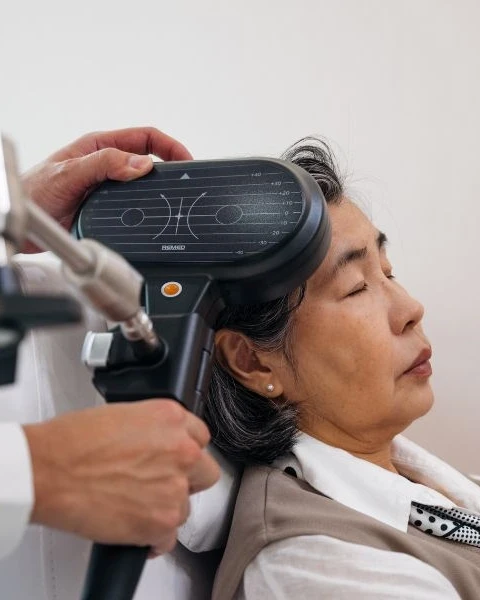
What Is Neurorehabilitation in Addiction Treatment?
Addiction can affect cognitive functions such as attention, impulse control, decision-making and emotional regulation. Neurorehabilitation aims to…
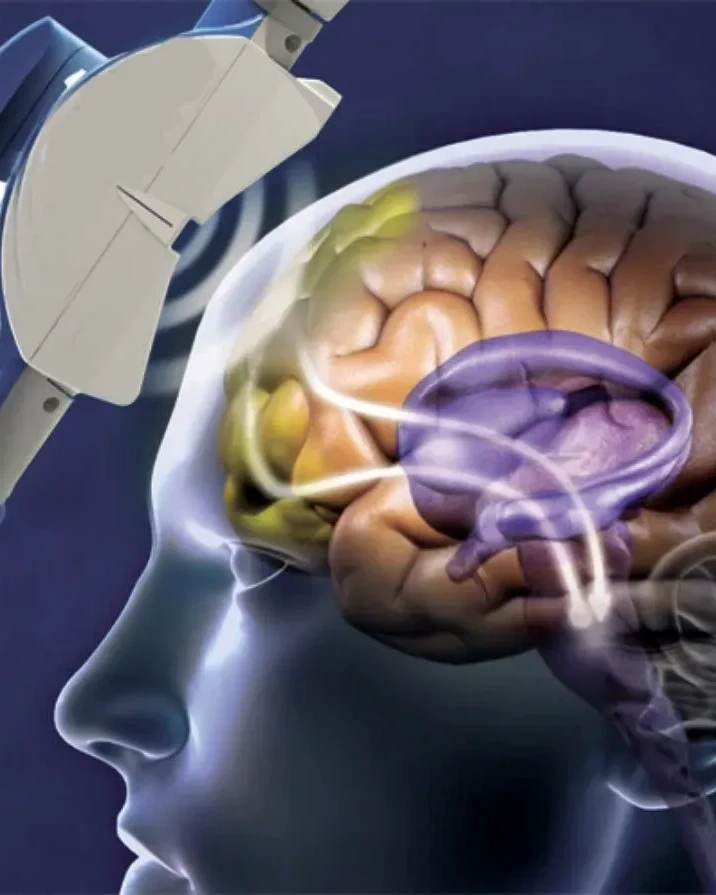
Transcranial Magnetic Stimulation in Addiction Treatment
A consultant addiction psychiatrist’s perspective on integrating non-invasive brain stimulation into residential and outpatient rehabilitation: where…

Cognitive Functioning in Addiction and Recovery
Addiction impacts attention, memory, planning, and problem-solving — the very processes that underpin how we make decisions and regulate behaviour.