
Understanding the condition
What is ketamine addiction?
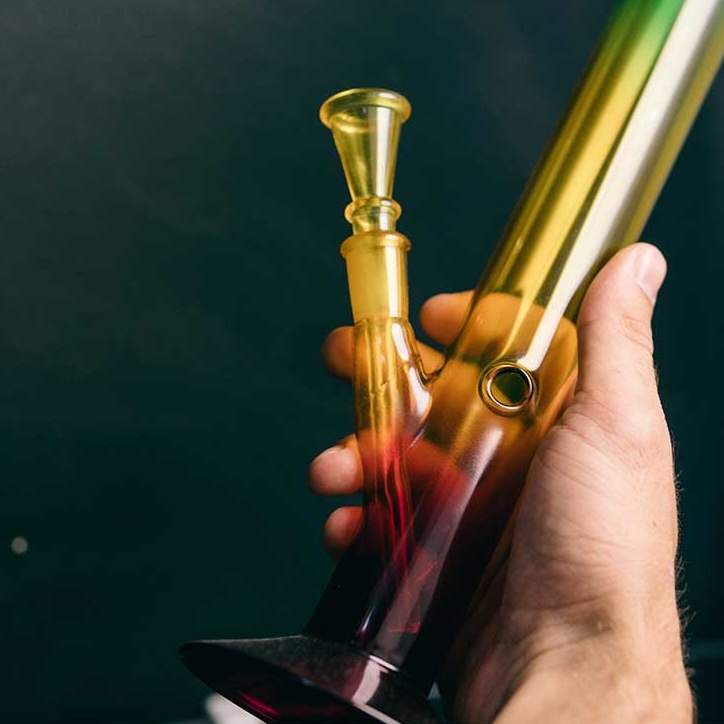
Ketamine addiction, known clinically as ketamine use disorder, describes continuing to use ketamine despite the harm it causes, and finding it hard to stop. Ketamine is an anaesthetic used in hospitals and in veterinary practice. Outside medical care it is most often a white powder that is snorted, sometimes called “K”, “Special K” or “Kit Kat”.
In Singapore, it is a controlled drug. For Singapore citizens and permanent residents, using it overseas is also an offence. Our guide to drug rehabilitation in Singapore explains how the law and the rehabilitation system work.
Ketamine produces a dreamlike, detached feeling by blocking a brain receptor involved in memory, pain and perception. At higher doses people can become unable to move or respond, a state often called a “K-hole”. The effects are short, so people often take more to keep them going. With regular use, many find they need larger amounts for the same effect.
Over time, ketamine can damage the bladder and urinary tract, causing pain and a frequent, urgent need to pass urine. It can also cause severe abdominal cramps and affect memory, attention and mood. Bladder damage can become permanent if use continues.
Ketamine is widely available across East and Southeast Asia. Authorities in the region seized a record 52.5 tonnes in 2025, according to the United Nations Office on Drugs and Crime. It is also found in mixed products sold under names such as “happy water”, and in some tablets sold as ecstasy.
Many people we speak with first used ketamine socially, at parties, clubs or festivals, or to switch off from stress, and did not expect a drug they saw as mild to become so hard to stop.
Recognising the signs
Signs of ketamine addiction
Recognising some of these signs in yourself or a loved one is not proof of an addiction.
A confidential conversation with a clinician can help you understand what you are experiencing and what support, if any, would help.
- Finding it hard to stop, even when you want to
- Using more often, or in larger amounts, than you intended
- Needing more ketamine to feel the same effect
- Needing to pass urine very often or urgently, pain when passing urine, or blood in the urine
- Severe stomach cramps, sometimes called “K-cramps”
- Gaps in memory, poor concentration, or feeling detached from the people and things around you
- Low mood, anxiety, irritability or cravings when not using
- Continuing despite its effect on your health, relationships, work or finances
The most common form. The effects fade within about an hour, which can lead to repeated use over an evening or a weekend. Regular use can damage the lining of the nose.
Some people move from occasional use to using most days, often alone and in growing amounts. This pattern carries the greatest risk of bladder damage and severe abdominal pain. Our medical team assesses physical health carefully on admission.
Ketamine is often used at parties, clubs and festivals, including while travelling. Treatment looks at the settings, routines and friendships around use, and builds other ways to relax and connect.
Some people use ketamine to switch off, or to manage low mood, anxiety, trauma or physical pain. Some keep using to ease the bladder or stomach pain that ketamine itself has caused. Treatment addresses what ketamine has been helping you manage.
Ketamine is often taken with alcohol, ecstasy, cocaine or sedatives, and is found in mixed products sold under other names. Using several substances together increases the risks to health. Treatment addresses them together.
Vapes sold as “Kpods” are widely believed to contain ketamine. When tested, they usually contain etomidate, a different anaesthetic, though ketamine has also been found in vapes in Singapore. If you are not sure what you have been using, our medical team can help you make sense of it.
Clinical Team
Individualised careby experienced hands
We are honoured to walk alongside families and individuals as they navigate recovery and rebuild meaningful, connected lives.

Safety first
Ketamine withdrawaland early support
Stopping ketamine is rarely medically dangerous in the way alcohol withdrawal can be, but the first weeks can be hard. Many people experience strong cravings, low mood, anxiety and irritability, with tiredness and poor sleep. Some also have shaking, sweating or palpitations.
On admission, our medical team reviews your physical and mental health, including abdominal pain, sleep and mood, and monitors you closely through the early days. Low mood after stopping can be significant, so psychiatric review and emotional support are part of care from the start.
If you or someone with you cannot be woken, is breathing slowly or with difficulty, has a seizure, is severely agitated or confused, or is having thoughts of ending their life, call 995, or the Samaritans of Singapore on 1767, at any time.
Treatment
Our approach to ketamine addiction treatment
Ketamine addiction is rarely only about the drug. It is often linked to low mood, anxiety, trauma, chronic pain, stress or the use of alcohol and other drugs. We treat the person as a whole, with care for both mind and body.
Treatment begins with a 28-day residential stay at our restored heritage residence in Changi. A 12-week intensive outpatient programme follows. This 16-week programme supports you in the months after residential care. This is when you put new habits into practice in everyday life.
A detailed psychiatric assessment, including screening for depression, anxiety, trauma and other substance use, and careful monitoring of sleep, mood, pain and physical health through the early weeks.
One-to-one counselling, daily process groups and skills workshops, drawing on approaches such as cognitive behavioural therapy and motivational interviewing, to understand triggers and manage cravings.
EEG neurofeedback, attention training, TMS (iTBS) and cognitive remediation, designed to strengthen attention, memory, impulse control and self-regulation.
Mindfulness, personal training, sleep support and nutrition, helping restore sleep, energy and physical wellbeing after ketamine use.
Depression, anxiety, trauma, chronic pain, alcohol use or another addiction are addressed together in one treatment plan. See co-occurring disorders.
Before you leave, we coordinate with outpatient providers in Singapore or your home country, and connect you with peer recovery groups. The Winslow Recovery App supports you for a year after the programme.


For families
When someone you love is using ketamine
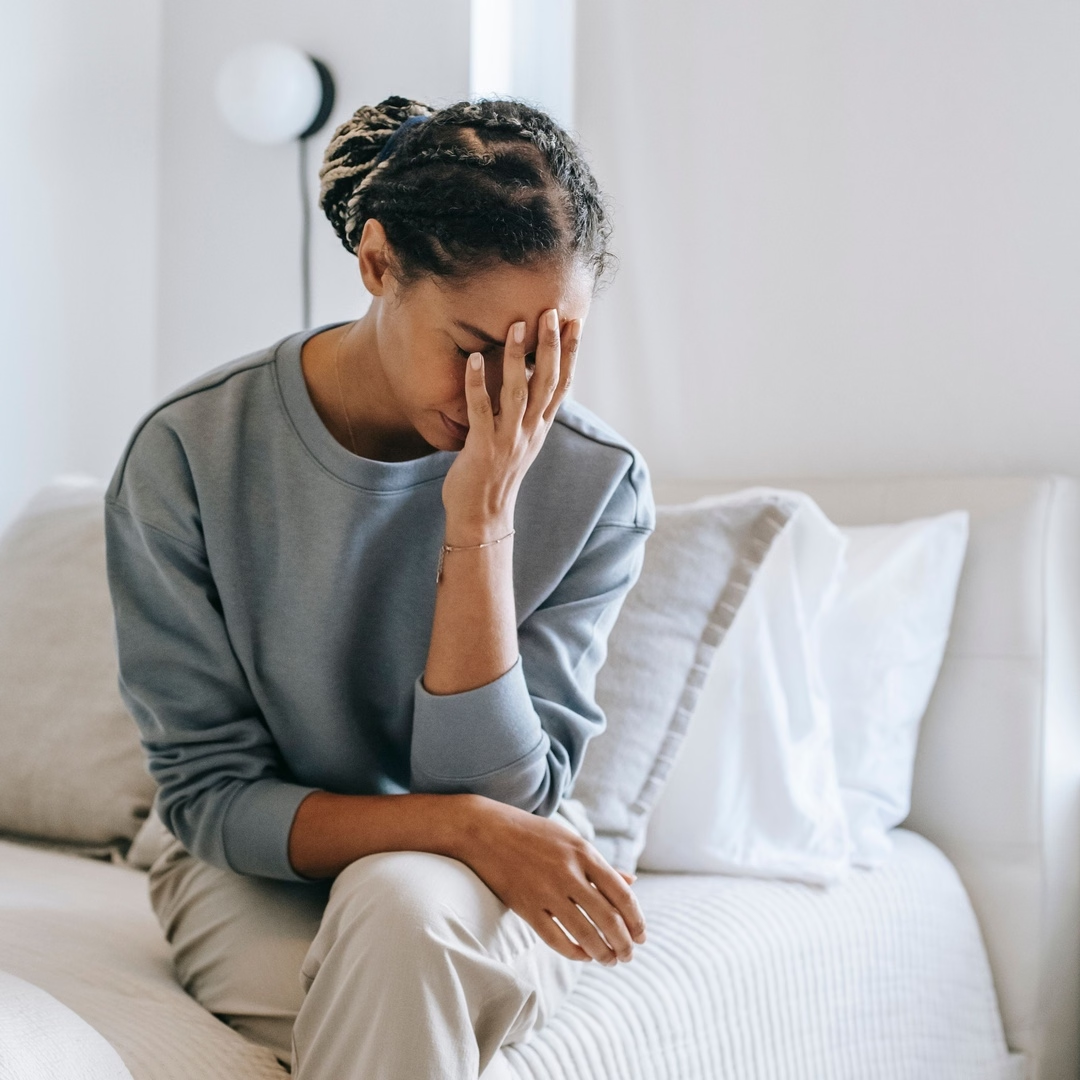
Ketamine use can be hard for families to see clearly, because it often starts socially and later becomes hidden. You may first notice someone seeming detached or forgetful, frequent trips to the bathroom, unexplained stomach pain, or changes in mood, sleep and reliability.
We offer confidential guidance for families, including how to raise the subject of treatment with care. Our team understands both Asian and Western family dynamics. We also understand the particular sensitivities of high-profile families. During treatment, families join weekly family groups led by a therapist. They also take part in individual family therapy. Both can be in person or securely online.
Suitability
Who we are for
Residential and intensive outpatient treatment for adults seeking structured and discreet evidence-based care.
Our centre accommodates up to 26 residential clients at any one time.
Designed for individuals who are:
- Experiencing substance use and/or behavioural addictions, including co-occurring conditions
- Medically and psychiatrically stable for residential, non-hospital care
- Low to moderate risk to themselves or others
- Able to provide informed consent and communicate fluently in English
- Ready to engage actively in treatment and follow programme expectations
FAQ
Common questions
Answers to questions people often ask about ketamine addiction and treatment.
Clinically reviewed by Dr. Munidasa Winslow, Medical Director. Last reviewed November 2026.
Yes. Ketamine can cause dependence, particularly with frequent use. With regular use, many people need larger amounts for the same effect and find it hard to cut down or stop. The risk is greater with daily use, using alone, or using to cope with low mood, anxiety or pain.
Regular ketamine use can inflame and damage the lining of the bladder. This causes pain and a frequent, urgent need to pass urine. Symptoms often improve after stopping. With heavy or long-term use the damage can become permanent and can affect the kidneys.
Most people describe strong cravings, low mood, anxiety and irritability after stopping. Tiredness and poor sleep are common, and some people have shaking, sweating or palpitations. Withdrawal is rarely medically dangerous, but the low mood can be severe, so medical and psychological support matters.
Usually not. The “K” is widely thought to come from ketamine, but when pods are tested, the drug found is usually etomidate, a different anaesthetic. Some vapes do contain ketamine or other drugs.
No. A form of ketamine called esketamine is approved in Singapore for depression that has not responded to other treatment. It is given in measured doses under medical supervision. Ketamine obtained outside medical care is different: the dose and contents are unknown, and using it is against the law. If you are receiving this treatment and are worried about your use, speak to your psychiatrist.
There is currently no medication approved to treat ketamine addiction. Treatment centres on psychological therapies, with medication used where appropriate to support sleep, mood, pain or co-occurring conditions, as decided by your psychiatrist.
The programme runs for 16 weeks. It begins with a 28-day residential stay. A 12-week intensive outpatient programme follows. Residential extensions of one to four weeks are common, depending on clinical need and progress.
Some private insurance policies may cover part of the cost. We can provide supporting documentation for claims on request. Please check with your insurer directly. See our fees and inclusions.
Yes. Treatment is delivered in English. The programme includes visa support and airport transfers. Most nationalities can enter Singapore visa-free for 30 to 90 days. When you return home, we coordinate a handover to providers there. That way, your care continues.
Speak with a clinician
If you’re considering treatment for yourself or someone you care about, a confidential conversation can help clarify whether The Winslow is the right fit.
Our team is available 24 hours a day, 7 days a week.