
Understanding the condition
What is cocaine addiction?
Cocaine addiction, known clinically as cocaine use disorder, a form of stimulant use disorder, describes continuing to use cocaine despite the harm it causes, and finding it hard to stop. Cocaine is a powerful stimulant, most often used as a white powder that is snorted, and sometimes smoked as “crack” or freebase cocaine.
In Singapore, it is a controlled drug. For Singapore citizens and permanent residents, using it overseas is also an offence. Our guide to drug rehabilitation in Singapore explains how the law and the rehabilitation system work.
Cocaine produces a short, intense burst of energy, confidence and sociability by raising dopamine in the brain’s reward system. Because the effect wears off quickly, people often take more to keep it going, and research suggests that the move from first use to addiction can be faster than with alcohol or cannabis.
Over time, cocaine can strain the heart and blood vessels, damage the inside of the nose, and contribute to anxiety, low mood and poor sleep. It is very often used with alcohol, which adds to the risks.
Many people we speak with first used cocaine socially, at celebrations, work events or while travelling, and did not notice how it had become part of how they work, unwind or cope.
Recognising the signs
Signs of cocaine addiction
Recognising some of these signs in yourself or a loved one is not proof of an addiction.
A confidential conversation with a clinician can help you understand what you are experiencing and what support, if any, would help.
- Finding it hard to stop, even when you want to
- Using more often, or in larger amounts, than you intended
- Feeling you need cocaine to be confident, sociable or able to keep going
- Frequent nosebleeds, a blocked or runny nose, or a reduced sense of smell
- Anxiety, restlessness, irritability or paranoia
- Low mood, exhaustion or poor sleep in the days after using
- Spending more than you can afford, or hiding how much you use
- Continuing despite its effect on your health, relationships, work or finances
The most common form. The effects come on quickly and fade quickly, which can lead to repeated use over a night or a weekend. Regular use can damage the lining of the nose.
Smoking cocaine produces a faster, more intense effect and a sharper crash, and dependence can develop more quickly.
Cocaine is very often used with alcohol. Taken together, they produce a substance in the liver called cocaethylene, which adds to the strain on the heart and liver. Treatment looks at drinking and cocaine use together.
Some people use cocaine to keep going at long events, to feel confident in social or business settings, or mainly when travelling. Treatment looks at the demands and routines behind use and rebuilds sustainable patterns of rest, work and recovery.
Cocaine is sometimes used with other drugs in sexual settings. We offer confidential, non-judgemental care that addresses both the drug use and its wider effects on health and relationships.
Many people use alcohol, sleeping tablets or cannabis to come down, or use other stimulants alongside cocaine. Using several substances together increases the risks to health. Treatment addresses them together.
Clinical Team
Individualised careby experienced hands
We are honoured to walk alongside families and individuals as they navigate recovery and rebuild meaningful, connected lives.




Safety first
Cocaine withdrawaland early support
Stopping cocaine is rarely medically dangerous in the way alcohol withdrawal can be, but the first weeks can be hard. Many people experience a ‘crash’ of exhaustion, long sleep, increased appetite and low mood, followed by weeks of flat mood, anxiety, poor concentration and strong cravings.
On admission, our medical team reviews your physical and mental health, including heart health, blood pressure, sleep and mood, and monitors you closely through the early days. Low mood after stopping can be significant, so psychiatric review and emotional support are part of care from the start.
If you or someone with you has chest pain, a sudden severe headache, a seizure, severe agitation or paranoia, or is having thoughts of ending their life, call 995, or the Samaritans of Singapore on 1767, at any time.
Treatment
Our approach to cocaine addiction treatment
Cocaine addiction is rarely only about the drug. It is often linked to stress, alcohol use, anxiety, low mood, ADHD, trauma or the pressures of work and relationships. We treat the person as a whole, with care for both mind and body.
Treatment begins with a 28-day residential stay at our restored heritage residence in Changi, followed by a 12-week intensive outpatient programme. This 16-week programme supports you through the months after residential care, when you are putting new habits into practice in everyday life.
A detailed psychiatric assessment, including screening for depression, anxiety, ADHD and alcohol use, a review of heart health, and careful monitoring of sleep, mood and physical health through the early weeks.
One-to-one counselling, daily process groups and skills workshops, drawing on approaches such as cognitive behavioural therapy and motivational interviewing, to understand triggers and manage cravings.
EEG neurofeedback, attention training, TMS (iTBS) and cognitive remediation, designed to strengthen attention, memory, impulse control and self-regulation.
Mindfulness, personal training, sleep support and nutrition, helping restore sleep, energy and appetite after stimulant use.
Alcohol use, anxiety, depression, ADHD, trauma or another addiction are addressed together in one treatment plan. See co-occurring disorders.
Before you leave, we coordinate with outpatient providers in Singapore or your home country, and connect you with peer recovery groups. The Winslow Recovery App supports you for a year after the programme.

For families
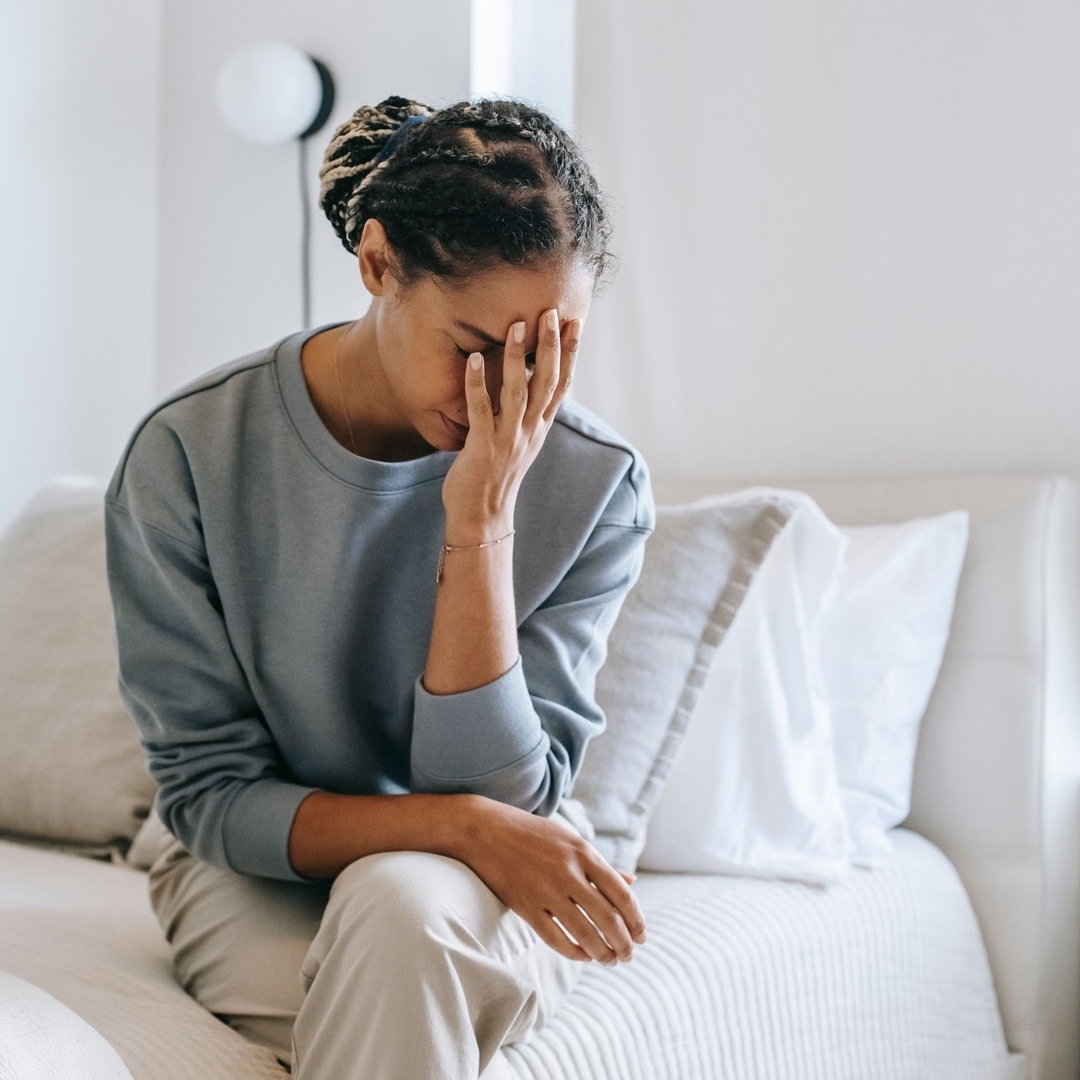
When someone you love is using cocaine
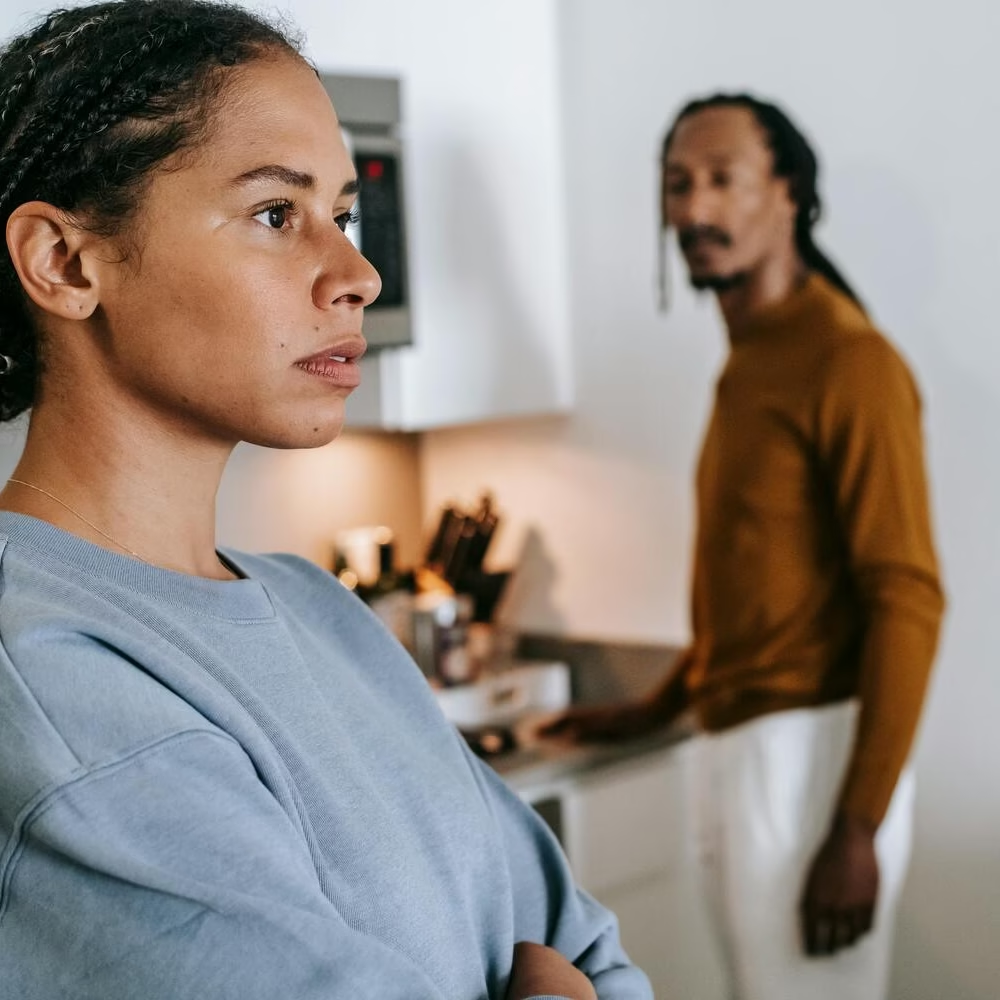
Cocaine use can be hard for families to see clearly, because it is often social and well hidden. You may first notice changes in mood, sleep, spending or reliability, or heavier drinking.
We offer confidential guidance for families, including how to raise the subject of treatment with care. Our team understands both Asian and Western family dynamics, and the particular sensitivities of high-profile families. During treatment, families take part through weekly therapist-led family groups and individual family therapy, in person or securely online.
Suitability
Who we are for
Residential and intensive outpatient treatment for adults seeking structured and discreet evidence-based care.
Our centre accommodates up to 26 residential clients at any one time.
Designed for individuals who are:
- Experiencing substance use and/or behavioural addictions, including co-occurring conditions
- Medically and psychiatrically stable for residential, non-hospital care
- Low to moderate risk to themselves or others
- Able to provide informed consent and communicate fluently in English
- Ready to engage actively in treatment and follow programme expectations
FAQ
Common questions
Answers to questions people often ask about cocaine addiction and treatment.
Clinically reviewed by Dr. Munidasa Winslow, Medical Director. Last reviewed November 2026.
Yes. Cocaine acts powerfully on the brain’s reward system, and because its effects wear off quickly, people often take more to keep the feeling going. Dependence can develop quickly. The risk is greater with frequent or heavy use, smoking, or using to cope with stress or low mood.
With regular use the brain adapts, so ordinary life can feel flat without cocaine, and cravings can be set off by alcohol, social settings, stress or tiredness. These changes ease with time. Treatment helps you manage them in the meantime.
Most people experience a ‘crash’ of exhaustion, heavy sleep, increased appetite and low mood in the first days after stopping. Low mood, poor concentration and cravings can continue for several weeks. Withdrawal is rarely medically dangerous, but the low mood can be severe, so medical and psychological support matters.
Yes. When both are in the body, the liver produces a substance called cocaethylene, which lasts longer than cocaine and adds to the strain on the heart and liver. Drinking can also make it harder to judge how much cocaine you have taken. If you use both, tell your doctor, so that both can be addressed.
It can. Cocaine raises heart rate and blood pressure and narrows blood vessels. It is associated with heart attack, irregular heart rhythm and stroke, including in younger people. Our medical team reviews heart health on admission.
There is currently no medication approved to treat cocaine addiction. Treatment centres on psychological therapies, with medication used where appropriate to support sleep, mood or co-occurring conditions, as decided by your psychiatrist.
The programme runs for 16 weeks: a 28-day residential stay followed by a 12-week intensive outpatient programme. Depending on clinical need and progress, residential extensions of one to four weeks are common.
Some private insurance policies may offer partial coverage. We can provide supporting documentation for claims on request. Please check with your insurer directly. See our fees and inclusions.
Yes. Treatment is delivered in English. The programme includes visa support and airport transfers. Most nationalities can enter Singapore visa-free for 30 to 90 days. When you return home, we coordinate a handover to providers there so your care continues.
Speak with a clinician
If you’re considering treatment for yourself or someone you care about, a confidential conversation can help clarify whether The Winslow is the right fit.
Our team is available 24 hours a day, 7 days a week.