

Understanding the condition
What is gaming addiction?
Gaming addiction, known clinically as gaming disorder, is a recognised health condition in which gaming becomes increasingly difficult to control, takes priority over other parts of life, and continues despite the harm it is causing. The World Health Organization added gaming disorder to its International Classification of Diseases (ICD-11) in 2019, and the classification came into effect in 2022.
In a 2025 study of 1,008 young adults in Singapore aged 18 to 40, around 5% met the criteria for gaming disorder, rising to about 7% of young men. Many more people play for long hours without it becoming a disorder: what matters is not the hours alone, but loss of control and the harm it causes.
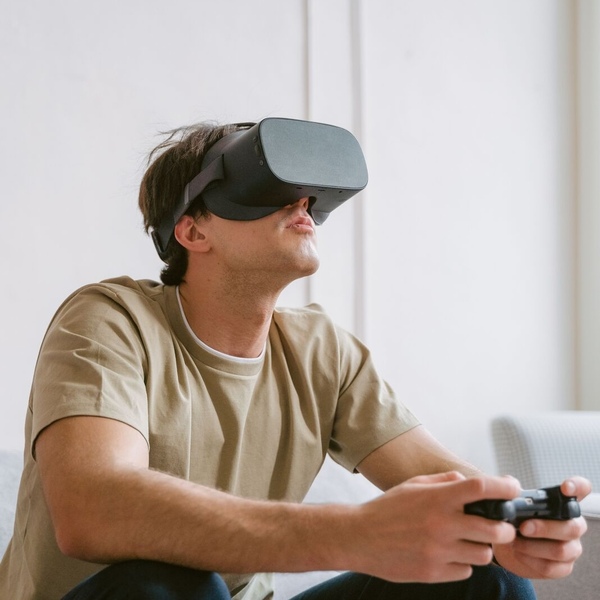
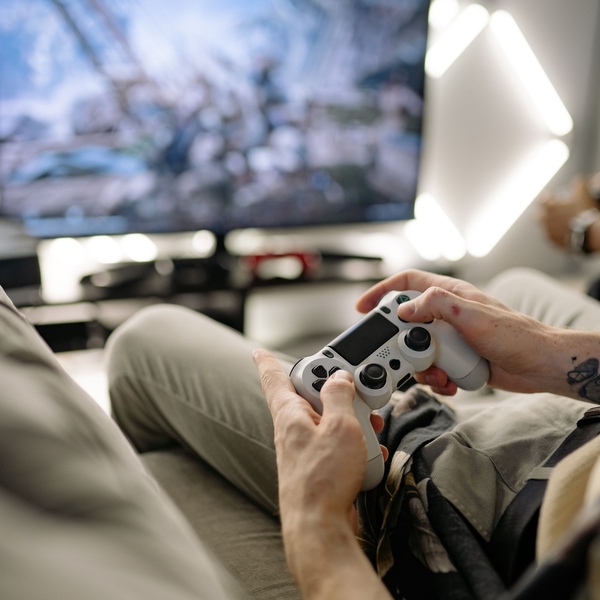
Gaming takes many forms: competitive online games played with teams and friends, mobile games played in every spare moment, and games built around in-game purchases, loot boxes and daily rewards that are designed to keep players coming back.
Games are built around reward, progress and belonging. For some people, especially at times of stress, loneliness or low mood, gaming becomes the main place they feel capable, connected or calm. Over time, ordinary life can feel flat by comparison, and the rest of life begins to shrink around the game.
Many of the people we speak with are young adults whose studies, work or relationships have stalled, and parents who are worried about an adult son or daughter who has withdrawn into gaming.
Recognising the signs
Signs of gaming addiction
Recognising some of these signs in yourself or a loved one is not proof of an addiction.
A confidential conversation with a clinician can help you understand what you are experiencing, and what support, if any, would help.
- Playing for much longer than you intended, often late into the night
- Thinking about gaming much of the time when you are not playing
- Feeling restless, irritable or low when you can’t play
- Giving up sleep, meals, exercise or time with others to play
- Falling behind at work or in your studies
- Hiding how much you play or spend, or not being honest about it
- Spending heavily on in-game purchases or loot boxes
- Gaming to escape stress, worry, loneliness or low mood
- Trying to cut down or stop, and finding you can’t
Competitive and team-based games, where rankings, scheduled matches and the fear of letting teammates down can make it very hard to log off.
Games on a phone that is always within reach, with notifications, daily rewards and timed events that draw you back throughout the day.
Spending on in-game items, upgrades and loot boxes can escalate quickly and quietly. Loot boxes, which offer a random reward in return for payment, share some features with gambling.
Watching streams, following esports and spending time in gaming communities can become part of the same pattern, until most waking hours revolve around games.
When gaming moves into the night, sleep, mood and concentration suffer, and days start late or are missed altogether. Resetting sleep is often one of the first steps in treatment.
Gaming can go together with gambling, other compulsive behaviours, heavy drinking or cannabis use. Treatment addresses them together.
Clinical Team
Individualised careby experienced hands
We are honoured to walk alongside families and individuals as they navigate recovery and rebuild meaningful, connected lives.




Safety first
Sleep, moodand early support
Gaming does not cause physical withdrawal in the way alcohol can, but the first weeks of stopping can be hard. Many people feel restless, irritable, bored or low, and a sleep pattern that has drifted late into the night takes time to reset. Gaming problems often go together with depression and anxiety, and some people use gaming to cope with feelings they find hard to face.
On admission, our team reviews your mental health, including mood and any thoughts of self-harm, and helps you plan practical changes from the start: agreeing how devices and gaming accounts will be managed, setting spending controls, rebuilding a regular sleep routine and involving a trusted family member.
If you or someone you know is having thoughts of ending their life, call 995 in an emergency, or the Samaritans of Singapore on 1767, at any time. For mental health support at any hour, call or message the national mindline on 1771. For children and teenagers, TOUCH Cyber Wellness offers counselling for gaming through TOUCHline on 1800 377 2252.
Treatment
Our approach to gaming addiction treatment
Gaming addiction is rarely only about games. It is often linked to low mood, anxiety, ADHD, loneliness or a sense that life has stalled. We treat the person as a whole, and help you build a life that gaming no longer has to fill.
Our team includes Dr. Guo Song, Senior Consultant Psychiatrist, who cared for young people with excessive gaming at Singapore’s National Addictions Management Service and has published research on those seeking treatment for gaming in Singapore.
Treatment begins with a 28-day residential stay at our restored heritage residence in Changi, followed by a 12-week intensive outpatient programme. This 16-week programme supports you through the months after residential care, when you are rebuilding routines, studies or work, and a healthier relationship with technology in everyday life.
A detailed psychiatric assessment, including screening for depression, anxiety, ADHD and suicide risk, with careful attention to sleep and mood through the early weeks.
One-to-one counselling, daily process groups and skills workshops, drawing on approaches such as cognitive behavioural therapy and motivational interviewing, to understand what gaming does for you, manage urges, and build other sources of reward and connection.
EEG neurofeedback, attention training, TMS (iTBS) and cognitive remediation, designed to strengthen attention, impulse control and self-regulation.
Personal training, mindfulness, sleep support and nutrition, helping you reset your sleep and daily rhythm and rediscover activities away from a screen.
Depression, anxiety, ADHD, trauma or another addiction are addressed together in one treatment plan. See co-occurring disorders.
Most people cannot avoid screens altogether. Before you leave, we help you plan how you will use your phone, computer and online accounts for work, study and staying in touch, with clear limits that you and your family agree on.
Before you leave, we coordinate with outpatient providers in Singapore or your home country, and connect you with peer recovery groups. The Winslow Recovery App supports you for a year after the programme.


For families
When someone you love can’t stop gaming
Watching a son, daughter or partner withdraw into gaming can bring worry, frustration and conflict at home, particularly when studies, work or relationships are slipping. Many parents also wonder whether they are overreacting, or whether it is just a phase. These feelings are understandable, and you do not have to manage them alone.
We offer confidential guidance for families, including how to raise the subject of treatment with care and how to set boundaries around devices, money and household routines without escalating conflict. Our team understands both Asian and Western family dynamics, and the particular sensitivities of high-profile families. During treatment, families take part through weekly therapist-led family groups and individual family therapy, in person or securely online.
Suitability
Who we are for
Residential and intensive outpatient treatment for adults seeking structured and discreet evidence-based care.
Our centre accommodates up to 26 residential clients at any one time.
Designed for individuals who are:
- Experiencing substance use and/or behavioural addictions, including co-occurring conditions
- Medically and psychiatrically stable for residential, non-hospital care
- Low to moderate risk to themselves or others
- Able to provide informed consent and communicate fluently in English
- Ready to engage actively in treatment and follow programme expectations
FAQ
Common questions
Answers to questions people often ask about gaming addiction and treatment.
Clinically reviewed by Dr. Munidasa Winslow, Medical Director. Last reviewed October 2026.
Yes. The World Health Organization recognises gaming disorder in its International Classification of Diseases (ICD-11), and the American Psychiatric Association lists internet gaming disorder as a condition for further study. It involves the brain’s systems of reward and self-control, and it responds to structured treatment.
There is no set number. Gaming disorder is defined by loss of control, gaming taking priority over other parts of life, and carrying on despite harm, usually over at least 12 months. Someone can play for many hours without a disorder, while someone else is seriously affected by less. A confidential conversation with a clinician can help you understand where you stand.
Start with a calm conversation at a time when no one is angry, focused on what you have noticed and why you are worried, rather than on the game itself. Our guide to starting the treatment conversation may help, and our team can advise your family confidentially, even before your loved one is ready to speak with us.
The Winslow’s programme is for adults. For children and teenagers in Singapore, TOUCH Cyber Wellness and We Care Community Services offer specialist counselling for gaming, and our team is happy to talk your family through the options.
Not necessarily. Goals are agreed with you during treatment. For some people a complete break from gaming works best; others aim for limited, planned play. Almost everyone still needs a phone and computer for work, study and family, so treatment focuses on using technology in a way you control.
Not everyone does. Residential care is often considered when attempts to stop haven’t held, when there are other mental health concerns, or when daily life makes it too easy to return to gaming. Our pre-admission assessment looks at the right level of care. If The Winslow isn’t the right fit, we will tell you and help you find support that is.
The programme runs for 16 weeks: a 28-day residential stay followed by a 12-week intensive outpatient programme. Depending on clinical need and progress, residential extensions of one to four weeks are common.
Some private insurance policies may offer partial coverage. We can provide supporting documentation for claims on request. Please check with your insurer directly. See our fees and inclusions.
Yes. Treatment is delivered in English, and the programme includes visa support and airport transfers. Most nationalities can enter Singapore visa-free for 30 to 90 days. When you return home, we coordinate a handover to providers there so your care continues.
Speak with a clinician
If you’re considering treatment for yourself or someone you care about, a confidential conversation can help clarify whether The Winslow is the right fit.
Our team is available 24 hours a day, 7 days a week.