



Understanding the condition
What is gambling addiction?
Gambling addiction, known clinically as gambling disorder, is a recognised health condition in which gambling becomes increasingly difficult to control, despite the harm it is causing. It is classified alongside substance addictions in international diagnostic manuals, because it involves the same brain systems of reward, motivation and self-control.
In Singapore, around 1.1% of residents show signs of probable problem or pathological gambling, according to the National Council on Problem Gambling’s 2023 survey. Behind that figure are families affected by debt, secrecy and broken trust, and people who often feel too ashamed to ask for help.
Gambling takes many forms here: the casinos at Marina Bay Sands and Resorts World Sentosa, Singapore Pools lotteries such as 4D and Toto, sports betting, and online sites and apps that are available around the clock. For some people, compulsive trading or high-risk speculation follows the same pattern.
Winning releases dopamine, but it is the uncertainty, the near-miss and the hope of winning back losses that keep people playing. Over time, the brain adapts: ordinary life can feel dull, and gambling becomes a way to escape stress, boredom or low mood rather than a source of enjoyment.
Many people we speak with gambled socially or occasionally for years before losses, debts or online betting turned it into something they could no longer control.
Recognising the signs
Signs of gambling addiction
Recognising some of these signs in yourself or a loved one is not proof of an addiction.
A confidential conversation with a clinician can help you understand what you are experiencing, and what support, if any, would help.
- Gambling with more money, or for longer, than you intended
- Needing to bet larger amounts to feel the same excitement
- Chasing losses: going back to win back money you have lost
- Feeling restless or irritable when you try to cut down or stop
- Hiding your gambling, lying about it or borrowing to cover losses
- Gambling to escape stress, worry or low mood
- Debts, missed payments or money taken from savings, family or work
- Continuing despite its effect on your relationships, work or finances
- Trying to cut down or stop, and finding you can’t
Including table games and slot machines at Singapore’s integrated resorts and casinos overseas. For many clients, casino gambling has become bound up with hospitality, travel and business entertainment.
Betting on football and other sports, through Singapore Pools, overseas sites or informal bookmakers. Live, in-play betting can make losses mount quickly.
Online casinos, betting apps and sites that are open at any hour, on any phone. Most online gambling sites are not licensed in Singapore, which can add legal and financial risks to the harm of the gambling itself.
Including 4D and Toto. Small, frequent bets can grow into a pattern that is easy to overlook, and hard to stop.
Compulsive day trading, cryptocurrency or other high-risk speculation can follow the same pattern as gambling: chasing losses, secrecy and rising stakes.
Gambling often goes together with heavy drinking, other drug use or other compulsive behaviours. Treatment addresses them together.
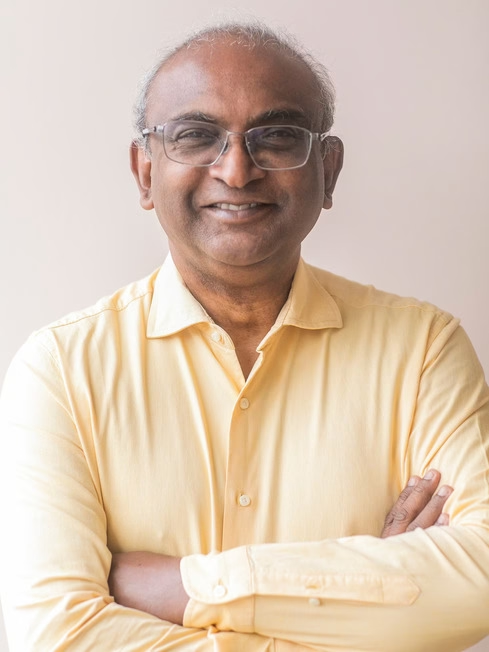
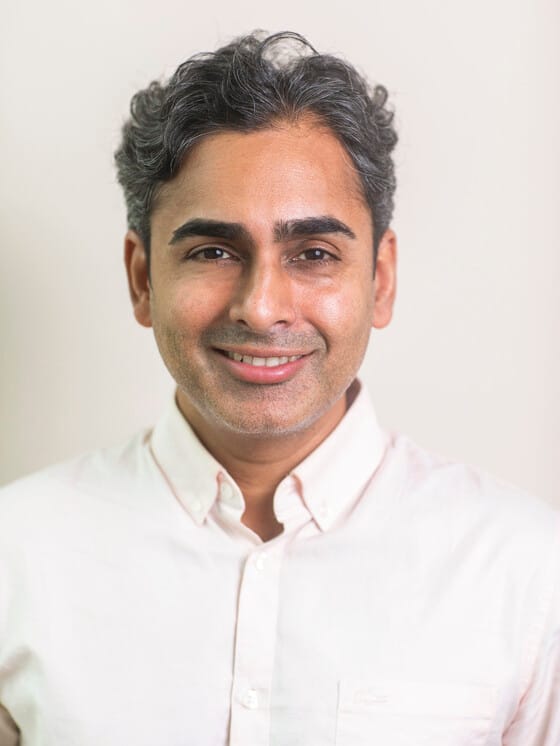
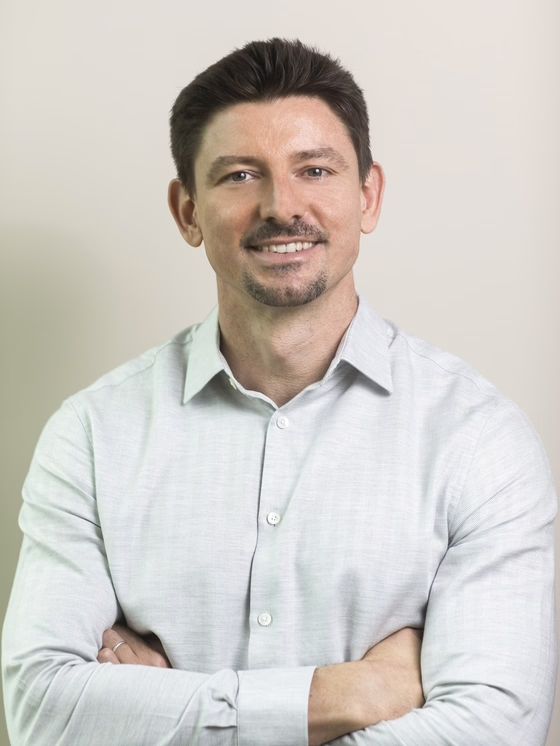
Clinical Team
Individualised careby experienced hands
We are honoured to walk alongside families and individuals as they navigate recovery and rebuild meaningful, connected lives.

Safety first
Debt, riskand early support
Gambling does not cause physical withdrawal in the way alcohol can, but the first weeks of stopping can be very hard. Many people feel restless, irritable and low, and the pressure of debt, or of telling family, can be intense. People with gambling problems are also at higher risk of suicidal thoughts, particularly when debts mount.
On admission, our team reviews your mental health, including mood and any thoughts of self-harm, and helps you put practical safeguards in place from the start: limiting access to funds and accounts, blocking gambling sites and apps, involving a trusted family member and, in Singapore, applying for exclusion through the National Council on Problem Gambling.
If you or someone you know is having thoughts of ending their life, call 995 in an emergency, or the Samaritans of Singapore on 1767, at any time. For confidential advice about gambling, the National Council on Problem Gambling helpline is 1800-6-668-668.
Treatment
Our approach to gambling addiction treatment
Gambling addiction is rarely only about money. It is often linked to stress, loneliness, low mood, trauma, ADHD or the pressures of work and family. We treat the person as a whole, alongside the practical steps that protect you and your family.
Our team includes Dr. Guo Song, Senior Consultant Psychiatrist, who has published research on gambling disorder and was a member of the Ministry of Health workgroup that developed Singapore’s clinical practice guidelines on the management of gambling disorders.
Treatment begins with a 28-day residential stay at our restored heritage residence in Changi, followed by a 12-week intensive outpatient programme. This 16-week programme supports you through the months after residential care, when you are rebuilding trust, routines and finances in everyday life.
A detailed psychiatric assessment, including screening for depression, anxiety, ADHD and suicide risk, with careful monitoring of sleep and mood through the early weeks.
One-to-one counselling, daily process groups and skills workshops, drawing on approaches such as cognitive behavioural therapy and motivational interviewing, to understand triggers, challenge beliefs about chance and winning, and manage urges.
EEG neurofeedback, attention training, TMS (iTBS) and cognitive remediation, designed to strengthen attention, impulse control and self-regulation.
Mindfulness, personal training, sleep support and nutrition, helping you rebuild daily routines and find new ways to manage stress and boredom.
Depression, anxiety, ADHD, trauma or another addiction are addressed together in one treatment plan. See co-occurring disorders.
Before you leave, we coordinate with outpatient providers in Singapore or your home country, and connect you with peer recovery groups. The Winslow Recovery App supports you for a year after the programme.



For families
When someone you love is gambling
Discovering a loved one’s gambling, debts or secrecy can bring shock, anger and a deep sense of betrayal. Many families also carry worry about money, privacy and reputation. These feelings are understandable, and you do not have to manage them alone.
We offer confidential guidance for families, including how to raise the subject of treatment with care and how to protect yourselves financially. Our team understands both Asian and Western family dynamics, and the particular sensitivities of high-profile families. During treatment, families take part through weekly therapist-led family groups and individual family therapy, in person or securely online.
Suitability
Who we are for
Residential and intensive outpatient treatment for adults seeking structured and discreet evidence-based care.
Our centre accommodates up to 26 residential clients at any one time.
Designed for individuals who are:
- Experiencing substance use and/or behavioural addictions, including co-occurring conditions
- Medically and psychiatrically stable for residential, non-hospital care
- Low to moderate risk to themselves or others
- Able to provide informed consent and communicate fluently in English
- Ready to engage actively in treatment and follow programme expectations
FAQ
Common questions
Answers to questions people often ask about gambling addiction and treatment.
Clinically reviewed by Dr. Munidasa Winslow, Medical Director. Last reviewed October 2026.
Yes. Gambling disorder is recognised in international diagnostic manuals and is classified alongside substance addictions. It involves the same brain systems of reward and self-control, and it responds to structured treatment.
Warning signs include chasing losses, hiding your gambling, borrowing to gamble or to cover debts, and feeling restless or low when you try to stop. If gambling is causing you or your family worry, a confidential conversation with a clinician can help you understand where you stand.
Yes. Through the National Council on Problem Gambling, you can apply for a self-exclusion that bars you from Singapore’s casinos, jackpot machine rooms in private clubs and Singapore Pools online betting. Singapore citizens and permanent residents can also set a monthly limit on casino visits.
Yes. Spouses, parents, children and siblings can apply to the National Council on Problem Gambling for a Family Exclusion Order if a family member’s gambling has caused serious harm. A committee considers each application at a hearing. Our team can talk families through the process.
We don’t provide financial advice, but managing debt and access to money is part of treatment planning. We can help you put safeguards in place and connect you with specialist financial and legal advisers.
Not everyone does. Residential care is often considered when attempts to stop haven’t held, when there are other mental health concerns, or when daily life makes it too easy to return to gambling. Our pre-admission assessment looks at the right level of care. If The Winslow isn’t the right fit, we will tell you and help you find support that is.
The programme runs for 16 weeks: a 28-day residential stay followed by a 12-week intensive outpatient programme. Depending on clinical need and progress, residential extensions of one to four weeks are common.
Some private insurance policies may offer partial coverage. We can provide supporting documentation for claims on request. Please check with your insurer directly. See our fees and inclusions.
Yes. Treatment is delivered in English, and the programme includes visa support and airport transfers. Most nationalities can enter Singapore visa-free for 30 to 90 days. When you return home, we coordinate a handover to providers there so your care continues.
Speak with a clinician
If you’re considering treatment for yourself or someone you care about, a confidential conversation can help clarify whether The Winslow is the right fit.
Our team is available 24 hours a day, 7 days a week.