
Understanding the condition
What is methamphetamine addiction?
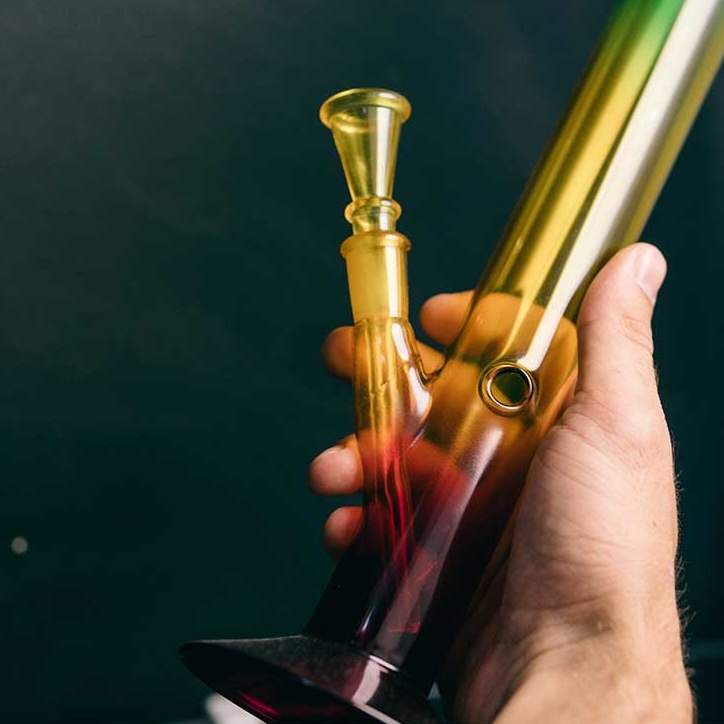
Methamphetamine addiction, known clinically as methamphetamine use disorder, a form of stimulant use disorder, describes a pattern of use that has become difficult to control despite the harm it is causing. Methamphetamine is a powerful stimulant, often called “Ice” or crystal meth. According to the Central Narcotics Bureau, it remains the most commonly abused drug among people arrested for drug use in Singapore.
Methamphetamine is a growing concern across Southeast Asia. In 2024, authorities in East and Southeast Asia seized a record 236 tonnes of the drug, much of it produced in Myanmar’s Shan State, according to the United Nations Office on Drugs and Crime.
It goes by many local names. Crystal methamphetamine is known as “Ice” in Singapore, “syabu” in Malaysia, “sabu” or “sabu-sabu” in Indonesia, “shabu” in the Philippines, “ma túy đá” in Vietnam and 冰毒 (bīngdú) in Chinese. In tablet form, usually mixed with caffeine, it is known in Thailand as “yaba”, meaning ‘crazy pill’, and in Malaysia as “pil kuda”, or ‘horse pill’.
Methamphetamine produces an intense rush of energy, confidence and focus by flooding the brain with dopamine. With repeated use, the brain adapts: everyday pleasures can feel flat, sleep and appetite are disrupted, and many people find they need the drug simply to feel normal.
Many people we speak with first used methamphetamine to stay awake, keep up with work, or in social or sexual settings, and found that their use escalated faster than they expected.
Recognising the signs
Signs of methamphetamine addiction
Recognising some of these signs in yourself or a loved one is not proof of an addiction.
A confidential conversation with a clinician can help you understand what you are experiencing, and what support, if any, would help.
- Using more often, in larger amounts or for longer than you intended
- Going for long periods without sleep, followed by a ‘crash’
- Strong cravings, especially around people, places or situations linked to using
- Feeling suspicious or paranoid, or seeing or hearing things others don’t
- Weight loss, dental problems or skin sores
- Irritability, mood swings or feeling low, flat or exhausted when not using
- Continuing despite its effect on your health, relationships, work or finances
- Trying to cut down or stop, and finding you can’t
The most common form in Singapore, often called “Ice”. Smoking produces a rapid, intense effect that can lead to repeated use over many hours or days, followed by a crash.
Including tablets sometimes called “yaba”, which combine methamphetamine with caffeine and are common in parts of Southeast Asia. They are sometimes mistaken for a milder option, but carry the same risk of dependence.
Injecting carries additional risks, including blood-borne infections, vein damage and a greater risk of overdose. Our medical team assesses physical health carefully on admission.
Some people begin using to work longer hours, stay alert or keep up under pressure. Treatment looks at the demands behind use and rebuilds sustainable patterns of rest, work and recovery.
Methamphetamine is sometimes used with GHB or other drugs in sexual settings, often called “chemsex”. We offer confidential, non-judgemental care that addresses both the drug use and its wider effects on health and relationships.
Many people use alcohol, cannabis, sleeping tablets or GHB to come down. Using several substances together increases the risks to health, and treatment addresses them together.
Clinical Team
Individualised careby experienced hands
We are honoured to walk alongside families and individuals as they navigate recovery and rebuild meaningful, connected lives.




Safety first
Methamphetamine withdrawaland early support
Stopping methamphetamine is rarely medically dangerous in the way alcohol withdrawal can be, but the first weeks can be very hard. Many people experience a ‘crash’ of exhaustion, long sleep, increased appetite and low mood, followed by weeks of flat mood, poor concentration and strong cravings.
On admission, our medical team reviews your physical and mental health, including sleep, mood, heart health and any symptoms of psychosis, and monitors you closely through the early days. Low mood after stopping can be significant, so psychiatric review and emotional support are part of care from the start.
If you or someone with you has chest pain, severe agitation or paranoia, is seeing or hearing things that are not there, or is having thoughts of ending their life, call 995, or the Samaritans of Singapore on 1767, at any time.
Treatment
Our approach to methamphetamine addiction treatment
Methamphetamine addiction is rarely only about the drug. It is often linked to stress, exhaustion, trauma, low mood, ADHD or the pressures of work and relationships. We treat the person as a whole, with care for both mind and body.
Treatment begins with a 28-day residential stay at our restored heritage residence in Changi, followed by a 12-week intensive outpatient programme. This 16-week programme supports you through the months after residential care, when you are putting new habits into practice in everyday life.
A detailed psychiatric assessment, including screening for depression, anxiety, ADHD and psychosis, with careful monitoring of sleep, mood and physical health through the early weeks.
One-to-one counselling, daily process groups and skills workshops, drawing on approaches such as cognitive behavioural therapy and motivational interviewing, to understand triggers and manage cravings.
EEG neurofeedback, attention training, TMS (iTBS) and cognitive remediation, designed to strengthen attention, memory, impulse control and self-regulation.
Mindfulness, personal training, sleep support and nutrition, helping restore sleep, energy and appetite after stimulant use.
Anxiety, depression, ADHD, trauma or another addiction are addressed together in one treatment plan. See co-occurring disorders.
Before you leave, we coordinate with outpatient providers in Singapore or your home country, and connect you with peer recovery groups. The Winslow Recovery App supports you for a year after the programme.



For families
When someone you love is using methamphetamine
Methamphetamine use can be frightening for families, particularly if you have noticed changes in sleep, mood, behaviour or finances, or periods when your loved one is unreachable.
We offer confidential guidance for families, including how to raise the subject of treatment with care. Our team understands both Asian and Western family dynamics, and the particular sensitivities of high-profile families. During treatment, families take part through weekly therapist-led family groups and individual family therapy, in person or securely online.
Suitability
Who we are for
Residential and intensive outpatient treatment for adults seeking structured and discreet evidence-based care.
Our centre accommodates up to 26 residential clients at any one time.
Designed for individuals who are:
- Experiencing substance use and/or behavioural addictions, including co-occurring conditions
- Medically and psychiatrically stable for residential, non-hospital care
- Low to moderate risk to themselves or others
- Able to provide informed consent and communicate fluently in English
- Ready to engage actively in treatment and follow programme expectations
FAQ
Common questions
Answers to questions people often ask about methamphetamine addiction and treatment.
Clinically reviewed by Dr. Munidasa Winslow, Medical Director. Last reviewed October 2026.
Yes. Methamphetamine acts powerfully on the brain’s reward system, and regular use can lead to dependence relatively quickly. Not everyone who uses it becomes addicted, but the risk rises with frequent use, smoking or injecting, and using to cope with stress, tiredness or low mood.
Methamphetamine releases far more dopamine than everyday rewards do. With regular use the brain adapts, so ordinary life can feel flat when you stop, and cravings can be set off by people, places, stress or tiredness. These changes ease with time, and treatment helps you manage them in the meantime.
Most people experience a ‘crash’ of exhaustion, heavy sleep, increased appetite and low mood in the first days after stopping. Low mood, poor concentration and cravings can continue for several weeks. Withdrawal is rarely medically dangerous, but the low mood can be severe, so medical and psychological support matters.
It can. Heavy or prolonged use can cause paranoia, hallucinations and agitation. These symptoms usually settle with abstinence and treatment, but they can return with further use, so psychiatric assessment is an important part of care.
There is currently no medication specifically approved to treat methamphetamine addiction. Treatment centres on psychological therapies, with medication used where appropriate to support sleep, mood or co-occurring conditions, as decided by your psychiatrist.
The programme runs for 16 weeks: a 28-day residential stay followed by a 12-week intensive outpatient programme. Depending on clinical need and progress, residential extensions of one to four weeks are common.
Some private insurance policies may offer partial coverage. We can provide supporting documentation for claims on request. Please check with your insurer directly. See our fees and inclusions.
Yes. Treatment is delivered in English, and the programme includes visa support and airport transfers. Most nationalities can enter Singapore visa-free for 30 to 90 days. When you return home, we coordinate a handover to providers there so your care continues.
Speak with a clinician
If you’re considering treatment for yourself or someone you care about, a confidential conversation can help clarify whether The Winslow is the right fit.
Our team is available 24 hours a day, 7 days a week.