
Prescription medication addiction treatment
Private, clinically grounded residential care for adults whose use of prescription medication has become harder to control, in a discreet heritage setting in Singapore.
Understanding the condition
What is prescription medication addiction?
Prescription medication addiction describes a pattern of use that has become difficult to control despite the harm it is causing. It most often involves sleeping pills, sedatives, painkillers or stimulants, and frequently begins with a genuine medical need, such as pain, anxiety, poor sleep or difficulty concentrating.
It is more common in Singapore than many people expect. In an online survey of about 1,000 adults in Singapore, 6.7% said they had misused a prescription medicine at some point, slightly more than the 6.0% who had used recreational drugs. Diazepam and codeine were misused most often, and a doctor was the most common source.
In a study of 1,369 people treated at Singapore’s National Addictions Management Service between 2013 and 2017, co-authored by Dr. Guo Song, benzodiazepines were the main drug for 63% of those with a prescription drug problem, followed by codeine. People in managerial and professional roles were more likely than unemployed patients to be seeking help for prescription medication rather than illegal drugs.
Dependence can develop even when medication is taken exactly as prescribed. The US Food and Drug Administration warns that physical dependence on benzodiazepines can develop with steady use over several days to weeks. As the brain adapts, more may be needed for the same effect, and stopping can bring back the very symptoms the medication was taken for.
Many people we speak with first took their medication exactly as advised, and found that use crept up during a period of stress, travel or poor sleep, sometimes with prescriptions from more than one clinic.
Recognising the signs
Signs of prescription medication addiction
Recognising some of these signs in yourself or a loved one is not proof of an addiction.
A confidential conversation with a clinician can help you understand what you are experiencing, and what support, if any, would help.
- Taking more, or more often, than prescribed, or for longer than intended
- Needing a higher dose to get the same effect
- Running out of prescriptions early, or seeing more than one doctor for the same medication
- Feeling anxious, unwell or unable to sleep when a dose is missed or late
- Needing medication to get through meetings, flights or social events
- Obtaining medication online, abroad or from friends and family
- Drowsiness, forgetfulness or changes in mood that others notice
- Trying to cut down or stop, and finding you can’t
Including benzodiazepines such as alprazolam, diazepam and lorazepam, and sleeping pills such as zolpidem and zopiclone. Dependence can develop even when they are taken as directed, and reducing them needs a gradual, medically supervised plan.
Including codeine, tramadol, oxycodone and morphine. Many people first take them after an injury or surgery, or for long-term pain. Withdrawal can be very uncomfortable, and the pain itself needs proper medical review during treatment.
Codeine cough preparations are tightly controlled in Singapore. Between 2021 and 2025, the Health Sciences Authority seized more than 2.2 million mL in illegal supply. Regular use can lead to opioid dependence, which we treat in the same way as dependence on other painkillers.
Including ADHD medication such as methylphenidate, sometimes taken without a prescription to stay alert or keep up with work. Treatment includes a careful assessment of attention and sleep, so that any genuine ADHD is treated appropriately.
Prescribed for nerve pain, seizures and anxiety, these can also lead to dependence, particularly at higher doses or when combined with opioids or alcohol.
Many people combine medication with alcohol or with other medicines. Sedatives, opioids and alcohol together slow breathing and raise the risk of overdose, so treatment addresses them together.
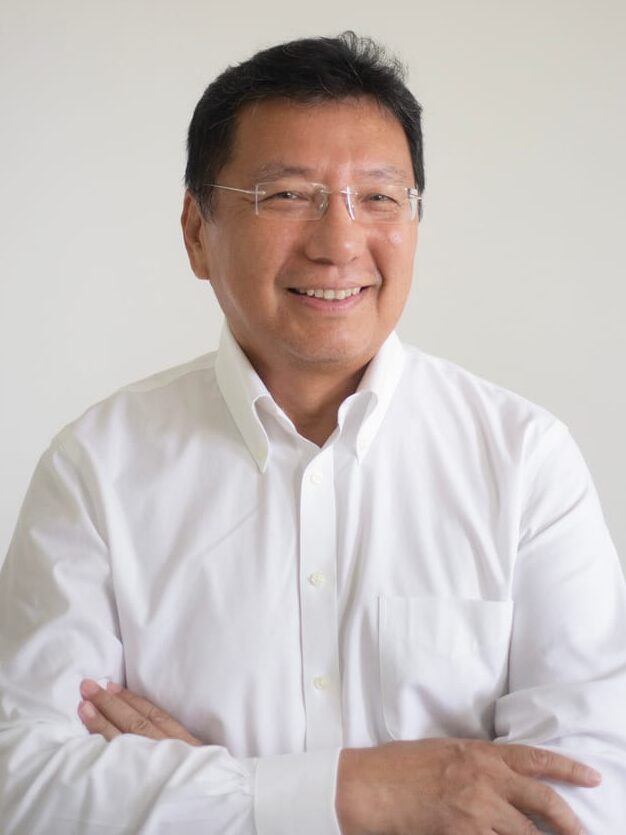
Clinical Team
Individualised careby experienced hands
We are honoured to walk alongside families and individuals as they navigate recovery and rebuild meaningful, connected lives.


Safety first
Stopping prescriptionmedication safely
Stopping some medications suddenly can be medically serious. Sedatives and sleeping pills in particular can cause severe withdrawal, including seizures, if they are reduced too quickly, and opioid withdrawal is very uncomfortable. Don’t stop or reduce prescribed medication without medical advice.
On admission, our medical team reviews your medication history and your physical and mental health, and plans a gradual, supervised reduction where that is appropriate, working with your prescribing doctor where you agree. When detox is clinically needed, it takes place before the programme begins, either in a hospital setting or at The Winslow, depending on your assessment.
If you or someone with you is very drowsy or hard to wake, is breathing slowly, is having a seizure, or is having thoughts of ending their life, call 995, or the Samaritans of Singapore on 1767, at any time.
Treatment
Our approach to prescription medication addiction treatment
Prescription medication addiction is rarely only about the medication. It usually began with a real problem, such as pain, poor sleep, anxiety or difficulty concentrating, and that problem still needs treating. We treat the person as a whole, with care for both mind and body.
Treatment begins with a 28-day residential stay at our restored heritage residence in Changi, followed by a 12-week intensive outpatient programme. This 16-week programme supports you through the months after residential care, when you are putting new habits into practice in everyday life.
A detailed medical and psychiatric assessment, a safe plan for reducing medication, and other ways to manage sleep, pain, anxiety or attention, with careful monitoring through the early weeks.
One-to-one counselling, daily process groups and skills workshops, drawing on approaches such as cognitive behavioural therapy, including for sleep, and motivational interviewing, to understand triggers and manage cravings.
EEG neurofeedback, attention training, TMS (iTBS) and cognitive remediation, designed to strengthen attention, memory, impulse control and self-regulation.
Mindfulness, personal training, sleep support and nutrition, helping restore natural sleep and manage stress without relying on medication.
Anxiety, depression, chronic pain, ADHD, trauma or another addiction are addressed together in one treatment plan. See co-occurring disorders.
Before you leave, we coordinate with outpatient providers in Singapore or your home country, including your doctor on any future prescribing, and connect you with peer recovery groups. The Winslow Recovery App supports you for a year after the programme.
For families
When someone you love is dependent on medication
Prescription medication dependence can be hard for families to recognise, and hard to raise, because the medication was prescribed. You may have noticed drowsiness, forgetfulness, changes in mood, or medication running out sooner than expected.
We offer confidential guidance for families, including how to raise the subject of treatment with care. Our team understands both Asian and Western family dynamics, and the particular sensitivities of high-profile families. During treatment, families take part through weekly therapist-led family groups and individual family therapy, in person or securely online.
Suitability
Who we are for
Residential and intensive outpatient treatment for adults seeking structured and discreet evidence-based care.
Our centre accommodates up to 26 residential clients at any one time.
Designed for individuals who are:
- Experiencing substance use and/or behavioural addictions, including co-occurring conditions
- Medically and psychiatrically stable for residential, non-hospital care
- Low to moderate risk to themselves or others
- Able to provide informed consent and communicate fluently in English
- Ready to engage actively in treatment and follow programme expectations
FAQ
Common questions
Answers to questions people often ask about prescription medication addiction and treatment.
Clinically reviewed by Dr. Munidasa Winslow, Medical Director. Last reviewed November 2026.
Yes. Dependence can develop even when medication is taken as directed, particularly with sleeping pills, sedatives and painkillers taken regularly for weeks or months. In a study of 100 people with benzodiazepine dependence in Singapore, co-authored by Dr. Winslow, three in four had obtained their medication from a GP, most often for sleep. Dependence is a medical problem, not a personal failing.
Physical dependence means the body has adapted to a medication, so stopping causes withdrawal. Addiction describes a loss of control over use, continuing despite harm. The two often overlap, but not always, and both deserve careful medical care.
Not on your own. Stopping sedatives, sleeping pills or opioids suddenly can be medically serious, and sedative withdrawal can cause seizures. Speak to your doctor, or to our team, about a safe, supervised plan.
It depends on the medication, the dose and how long it has been taken. Opioid withdrawal usually eases within days to a few weeks. Withdrawal from sedatives can last longer, and some people have symptoms for months, which is why reduction is usually gradual.
Yes, where appropriate and with your consent. Working with your prescribing doctor helps plan a safe reduction and makes sure future prescribing supports your recovery.
The programme runs for 16 weeks: a 28-day residential stay followed by a 12-week intensive outpatient programme. Depending on clinical need and progress, residential extensions of one to four weeks are common.
Some private insurance policies may offer partial coverage. We can provide supporting documentation for claims on request. Please check with your insurer directly. See our fees and inclusions.
Yes. Treatment is delivered in English, and the programme includes visa support and airport transfers. Most nationalities can enter Singapore visa-free for 30 to 90 days. When you return home, we coordinate a handover to providers there so your care continues.
Speak with a clinician
If you’re considering treatment for yourself or someone you care about, a confidential conversation can help clarify whether The Winslow is the right fit.
Our team is available 24 hours a day, 7 days a week.