

Understanding the condition
What is drug addiction?
Drug addiction, also called substance use disorder, is a recognised health condition in which using a substance becomes increasingly difficult to control, despite the harm it may be causing. It can involve illicit drugs, but can also begin with medication that was first prescribed for a genuine reason, such as pain, anxiety or sleep.
Repeated use changes the brain systems that govern reward, motivation and self-control. Over time, a substance can shift from something taken occasionally to something that feels necessary to function, relax or get through the day. Tolerance builds, and stopping can bring difficult physical and emotional withdrawal.
Addiction is not a moral failing, and it affects people in every walk of life, including those who appear to be managing well. Shame and fear of consequences often keep people from asking for help. A confidential conversation is a safe place to start.
Recognising the signs
Signs of drug addiction
Recognising some of these does not mean you have an addiction.
A confidential conversation with a clinician can help you understand what you are experiencing, and what support, if any, would help.
- Using more, more often, or for longer than you intended
- Needing more of the substance to feel the same effect
- Feeling unwell, anxious, low or unable to sleep without it
- Running out of prescriptions early, or seeing more than one doctor for the same medication
- Spending a lot of time obtaining, using or recovering from the substance
- Continuing despite its effect on your health, relationships, work or finances
- Withdrawing from family, friends or activities that once mattered
- Secrecy, unexplained absences or changes in mood and behaviour
Including methamphetamine, cocaine, amphetamine, MDMA, and prescription stimulants such as ADHD medication. Stimulant use can be closely tied to work pressure, sleep loss and performance. Stopping is often followed by exhaustion, low mood and strong cravings, so psychological support in the early weeks matters.
Including prescription pain medication such as codeine, tramadol, oxycodone and morphine, as well as heroin and fentanyl. Opioid withdrawal is very uncomfortable and requires medical oversight. Treatment addresses pain management as well as dependence.
Including sleeping pills such as zolpidem, sedatives such as benzodiazepines, gabapentin and pregabalin, and other medicines that were first prescribed for a real need. Dependence can develop even when medication is taken as directed. Reducing sedatives needs a gradual, medically supervised plan, as stopping suddenly can be dangerous.
Ketamine use can affect mood, memory and attention, and long-term use can cause serious bladder problems. Treatment includes a medical review of physical health alongside therapy.
Including cannabis and products containing THC or CBD. Regular use can affect motivation, memory, mood and sleep, and stopping can bring irritability, disturbed sleep and strong cravings for several weeks. Treatment looks at what cannabis has been helping you manage, and rebuilds sleep, routine and other ways to cope. Read more about cannabis addiction.
Including GHB, GBL and related substances, sometimes used in social or sexual settings. Dependence can develop quickly, and withdrawal can become medically serious within hours of the last dose, so stopping should only happen under close medical supervision. Detox usually takes place in a hospital setting before the programme begins. Treatment then addresses the patterns and pressures around use, with discretion and without judgement.
Kratom is a plant-based substance used across parts of Southeast Asia, often to manage pain, fatigue or low mood. Regular use can lead to dependence, and stopping can bring aches, restlessness, irritability and disturbed sleep. Kratom is a controlled substance in Singapore. Treatment includes medical support through withdrawal and attention to the pain or stress it was being used to manage.
Including vapes containing etomidate, sometimes called “Kpods”, and other vapes that may contain drugs without the user knowing. Use can become compulsive, and some substances found in vapes can affect breathing, movement and mood. Treatment includes a medical review and support to stop, alongside work on the habits and pressures that keep use going.
Including synthetic cannabinoids, sometimes sold as “Spice” or “K2”, and synthetic cathinones. These substances are often stronger and less predictable than the drugs they imitate, and their contents can vary from one batch to the next. Treatment begins with a careful medical assessment, then addresses use in the same way as other substances.
Many people use more than one substance, sometimes including alcohol, often to balance the effects of another. Treatment considers the whole pattern rather than one substance in isolation. See also alcohol dependence.
Safety first
Drug withdrawaland medical detox
Withdrawal depends on the substance, the amount and how long it has been used. For some substances, particularly sedatives, sleeping pills and opioids, stopping suddenly can be medically serious. Don’t stop or reduce prescribed medication without medical advice.
When detox is clinically needed, it takes place before the programme begins, either in a hospital setting or at The Winslow, depending on your assessment. Our medical team will advise on the safest option and help coordinate it. Stabilisation is available at an additional rate.
If you or someone with you is having a seizure, is unresponsive or is having trouble breathing, call 995 or your country’s emergency services hotline.
Treatment
Our approach to drug addiction treatment
Drug addiction is rarely only about the drug. It is often linked to stress, pain, sleep, mood, trauma or relationships, so our programme treats the whole person.
Treatment begins with a 28-day residential stay at our restored heritage residence in Changi, followed by a 12-week intensive outpatient programme. This 16-week programme supports you through the months after residential care, when you are putting new habits into practice in everyday life.
A detailed psychiatric assessment, a comprehensive blood panel, regular psychiatric review and 24-hour on-site nursing. All medication is managed by our on-site nursing team.
One-to-one counselling, daily process groups and skills workshops to understand your patterns, manage cravings and plan for high-risk situations.
EEG neurofeedback, attention training, TMS (iTBS) and cognitive remediation, designed to strengthen attention, impulse control and self-regulation.
Mindfulness, personal training, sleep support and nutrition, rebuilding routines and finding healthier ways to manage stress and discomfort.
Depression, anxiety, trauma, chronic pain or another addiction are addressed together in one treatment plan.
Before you leave, we coordinate with outpatient providers in Singapore or your home country, and connect you with peer recovery groups. The Winslow App supports you for a year after the programme.


For families
When someone you love is using drugs
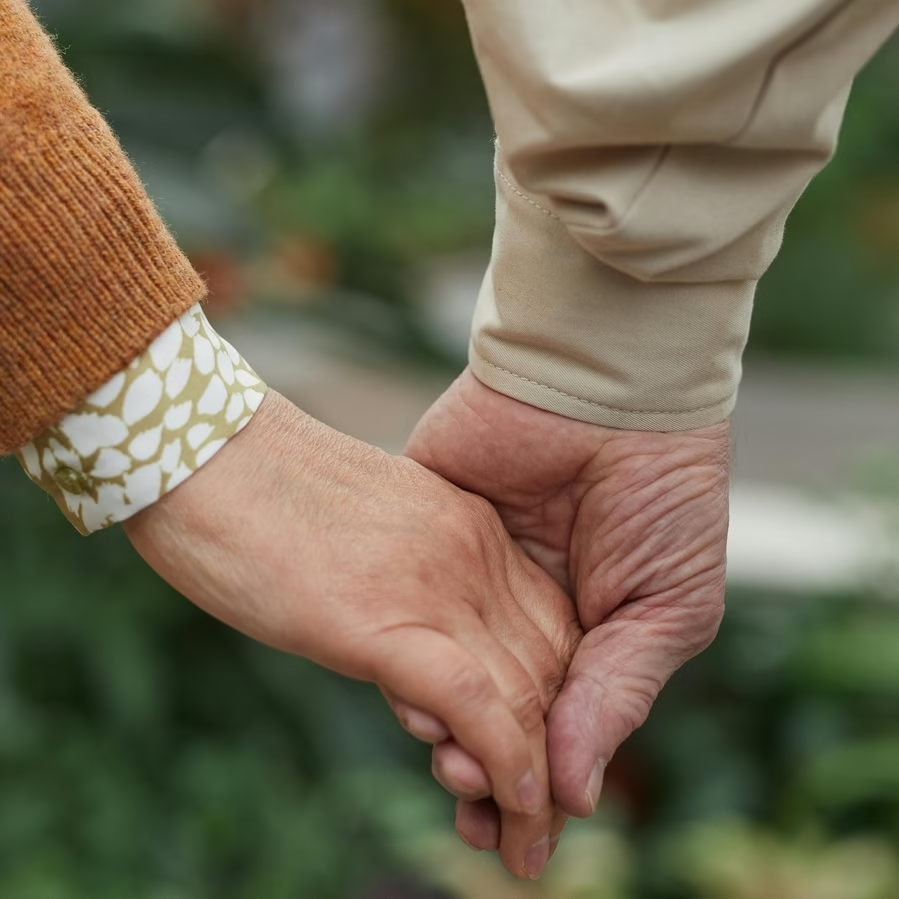
Discovering that someone you love is using drugs, or depending on medication, can bring fear, anger and confusion all at once. Many families also carry worry about privacy and reputation. These feelings are understandable, and you don’t have to work through them alone.
We offer confidential guidance for families, including how to raise the subject of treatment with care. Our team understands both Asian and Western family dynamics, and the particular sensitivities of high-profile families. During treatment, families take part through weekly therapist-led family groups and individual family therapy, in person or securely online.
FAQ
Frequently Asked Questions
Answers to questions people often ask about drug addiction and treatment.
No. The Winslow is a private healthcare provider licensed by the Ministry of Health. Treatment here is voluntary and medically led. It is separate from the Drug Rehabilitation Centres run by the Singapore Prison Service.
Yes. Dependence on sleeping pills, sedatives and prescription pain medication is common and often develops from genuine medical need. We work with you, and with your prescribing doctor where appropriate, on a safe, supervised plan.
Not on your own. Stopping some substances suddenly can be unsafe. Our medical team will assess you and, where needed, arrange detox before the programme begins.
The programme runs for 16 weeks: a 28-day residential stay followed by a 12-week intensive outpatient programme. Depending on clinical need and progress, residential extensions of one to four weeks are common.
Repeated substance use changes the brain systems involved in reward, motivation and self-control, which makes cravings powerful and change hard to sustain. Structured treatment, time and support help rebuild those systems and the skills that recovery needs.
It is hard when someone isn’t ready. Keeping communication open, avoiding confrontation and looking after your own wellbeing can all help. We offer confidential consultations for families who want guidance on what to say and when.
Some private insurance policies may offer partial coverage. We can provide supporting documentation for claims on request. Please check with your insurer directly. See our fees and inclusions.
Yes. Treatment is delivered in English, and the programme includes visa support and airport transfers. Most nationalities can enter Singapore visa-free for 30 to 90 days. When you return home, we coordinate a handover to providers there so your care continues.
Clinically reviewed by Dr. Munidasa Winslow, Medical Director. Last reviewed October 2026.
Speak with a clinician
If you’re considering treatment for yourself or someone you care about, a confidential conversation can help clarify whether The Winslow is the right fit.
Our team is available 24 hours a day, 7 days a week.