
Understanding the condition
What is cannabis addiction?
Cannabis addiction, often called weed addiction and known clinically as cannabis use disorder, is a recognised health condition in which using cannabis becomes increasingly difficult to control, despite the harm it may be causing. It is often underestimated, by the person using and by those around them, because cannabis has a reputation for being harmless.
Regular use, especially of today’s higher-strength products, affects the brain systems involved in reward, motivation, memory and sleep. Over time, cannabis can shift from something used occasionally to something relied upon to switch off, sleep or manage anxiety, and stopping can bring irritability, poor sleep and strong cravings.
Many people we speak with are high-functioning, and their use has crept up quietly over years. Others first used cannabis where it is sold openly, and found it harder to stop than they expected. Whatever the starting point, it can be treated, and a confidential conversation is a good place to begin.
Recognising the signs
Signs of weed and cannabis addiction
Recognising some of these does not mean you have an addiction.
A confidential conversation with a clinician can help you understand what you are experiencing, and what support, if any, would help.
- Using more often, or in larger amounts, than you intended
- Needing stronger products or more frequent use to feel the same effect
- Feeling irritable, anxious or unable to sleep without it
- Strong cravings, or much of your day organised around using
- Losing motivation, focus or memory at work or in daily life
- Continuing despite its effect on your mood, relationships or responsibilities
- Trying to cut down or stop, and finding you can’t
The most familiar form, sometimes mixed with tobacco. Daily smoking is closely linked to dependence, and using tobacco alongside it can make stopping harder. Treatment can address both together.
Including food and drinks containing THC. Their effects are slower to start and harder to predict, which can lead to taking more than intended. Regular use can lead to dependence in the same way as other forms.
Including vape cartridges and concentrated extracts, which can contain far more THC than traditional cannabis. Higher strength is linked to faster dependence and a greater risk of anxiety, paranoia and other mental health effects.
Often marketed as non-intoxicating, but products can contain THC even when the label says otherwise. In Singapore, CBD and hemp products derived from the cannabis plant are treated as controlled drugs. If you have been using them regularly, we can help you understand what you have been taking and how to stop.
Sometimes sold as “Spice” or “K2”, these are laboratory-made and often far stronger and less predictable than cannabis. See new psychoactive substances on our drug addiction page.
Cannabis is often used alongside alcohol, tobacco or other drugs, sometimes to ease the effects of another. Treatment considers the whole pattern rather than one substance in isolation. See also drug addiction and alcohol dependence.
Safety first
Cannabis withdrawaland early support
Cannabis withdrawal is rarely medically dangerous, but it is real, and it is one of the main reasons people return to using. Irritability, anxiety, low mood, poor sleep, vivid dreams, reduced appetite and strong cravings are common. They usually peak in the first week and ease over the following weeks.
On admission, our medical team reviews your physical and mental health, including any anxiety, low mood or unusual experiences linked to cannabis. The first weeks of residential care are designed to support you through withdrawal, with particular attention to restoring sleep.
If you or someone with you is experiencing severe paranoia, is seeing or hearing things that are not there, or is having thoughts of ending their life, call 995, or the Samaritans of Singapore on 1767, at any time.
Treatment
Our approach to cannabis addiction treatment
Cannabis addiction is rarely only about cannabis. It is often linked to stress, anxiety, sleep, low mood or a sense of drift, so our programme treats the whole person.
Treatment begins with a 28-day residential stay at our restored heritage residence in Changi, followed by a 12-week intensive outpatient programme. This 16-week programme supports you through the months after residential care, when you are putting new habits into practice in everyday life.
A detailed psychiatric assessment, including screening for anxiety, depression and psychotic symptoms that can accompany heavy cannabis use, with regular psychiatric review and 24-hour on-site nursing.
One-to-one counselling, daily process groups and skills workshops to understand your patterns, manage cravings and plan for high-risk situations.
EEG neurofeedback, attention training, TMS (iTBS) and cognitive remediation, designed to strengthen attention, memory, impulse control and self-regulation.
Mindfulness, personal training, sleep support and nutrition, rebuilding natural sleep and finding healthier ways to unwind.
Anxiety, depression, ADHD, trauma or another addiction are addressed together in one treatment plan. See co-occurring disorders.
Before you leave, we coordinate with outpatient providers in Singapore or your home country, and connect you with peer recovery groups. The Winslow Recovery App supports you for a year after the programme.
For families
When someone you love is using cannabis
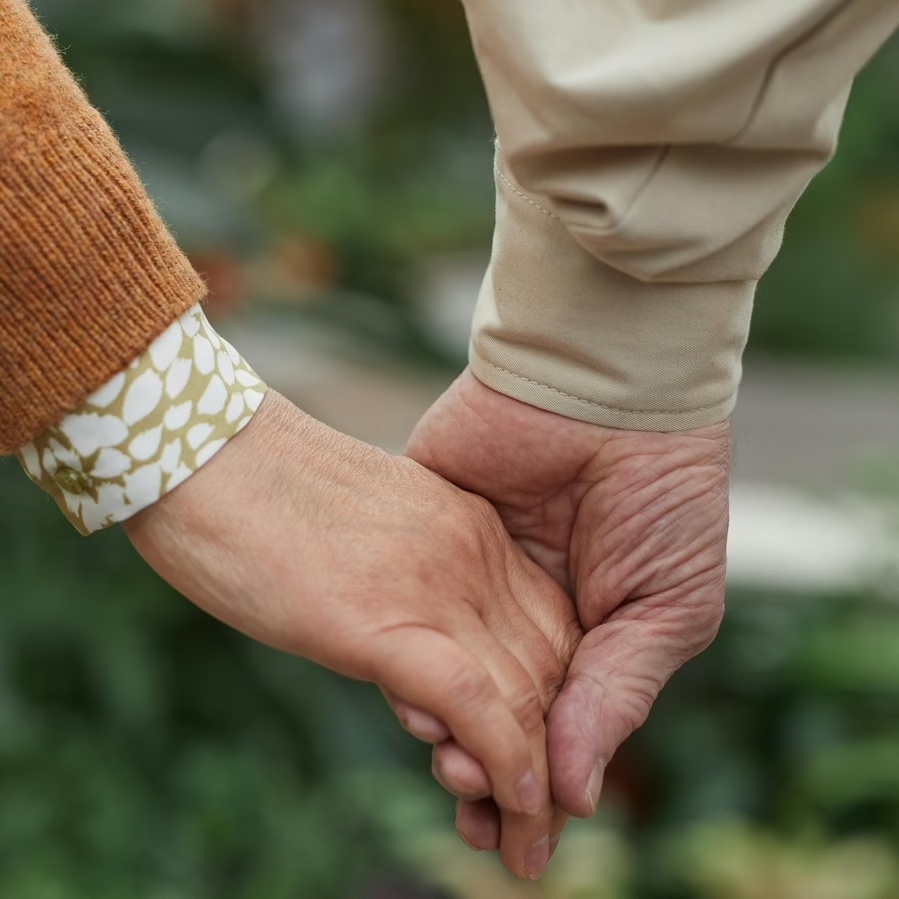
It can be hard to know how worried to be when someone you love is using cannabis, especially when they insist it’s harmless. You may have noticed changes in their motivation, mood or sleep, and conversations about it may have ended in frustration. These feelings are understandable, and you don’t have to work through them alone.
We offer confidential guidance for families, including how to raise the subject of treatment with care. Our team understands both Asian and Western family dynamics, and the particular sensitivities of high-profile families. During treatment, families take part through weekly therapist-led family groups and individual family therapy, in person or securely online.
FAQ
Frequently Asked Questions
Answers to questions people often ask about cannabis addiction and treatment.
Clinically reviewed by Dr. Munidasa Winslow, Medical Director. Last reviewed October 2026.
Yes. Research suggests that around one in ten people who use cannabis develop dependence, and the risk is higher with daily use and with higher-strength products. Many people don’t recognise it as an addiction until they try to stop.
Regular use changes how the brain handles reward, stress and sleep. When you stop, withdrawal symptoms such as irritability, poor sleep and cravings make it tempting to return to using. Structured support through the first weeks makes stopping much more achievable.
Symptoms usually begin within a few days of stopping, peak in the first week and ease over two to four weeks, although sleep problems and cravings can last longer. Everyone is different, and our team will support you through it.
Heavy use, particularly of high-strength products, is linked to anxiety, low mood and, in some people, psychotic symptoms such as paranoia. Your psychiatrist will assess this carefully as part of your treatment.
CBD is one of the compounds found in cannabis and is often sold as non-intoxicating, but products can contain THC even when labelled otherwise. In Singapore, CBD and hemp products derived from the cannabis plant are treated as controlled drugs. If you have been using CBD products regularly, we can help you understand what you have been taking.
The programme runs for 16 weeks: a 28-day residential stay followed by a 12-week intensive outpatient programme. Depending on clinical need and progress, residential extensions of one to four weeks are common.
Some private insurance policies may offer partial coverage. We can provide supporting documentation for claims on request. Please check with your insurer directly. See our fees and inclusions.
Yes. Treatment is delivered in English, and the programme includes visa support and airport transfers. Most nationalities can enter Singapore visa-free for 30 to 90 days. When you return home, we coordinate a handover to providers there so your care continues.
Speak with a clinician
If you’re considering treatment for yourself or someone you care about, a confidential conversation can help clarify whether The Winslow is the right fit.
Our team is available 24 hours a day, 7 days a week.